
Are you trying to garden in planting zone seven?
Do you feel overwhelmed and uncertain of where to begin with gardening in this zone?
No worries. I currently live in zone seven, and in my humble opinion, this zone is wonderful for gardening because you have a longer grow season.
I’m going to give you a few gardening tips for this zone, share with you which plants are best grown in this zone, and also give you an idea as to which type of gardening might be the best fit for each variety mentioned.
We have a great deal of information to cover and should get started. Here’s what you must know to garden with confidence in planting zone seven:
Zone Seven Gardening Tips
I’ve lived in other planting zones, but I’ve enjoyed gardening in planting zone seven the most because the grow season is longer than in other areas.
Plus, you don’t have to worry about the extremely cold temperatures as you do in other locations. Instead, you must worry about the heat for approximately three to fourth months out of the year.
Dealing with heat is straight-forward:
- Water deeply and more frequently
- Plan accordingly to use the core gardening method
- Provide shade during the hottest portions of the day by either planting crops appropriately to where shade is naturally
provided, or by adding row covers
However, during the colder seasons of the year, you can still grow heartier crops by using a greenhouse or cold frames.
I enjoy this because I can raise fresh lettuce and spinach basically year-round in my greenhouse. The crops may grow slower, but they still produce as long as you water, fertilize, and keep the frost from them.
The greatest challenge I’ve found growing in planting zone seven is with cold weather crops. The weather can warm up quickly and unexpectedly.
Therefore, it can make it challenging to grow plants such as peas or celery which prefer cooler temperatures.
Be sure you pay attention to your frost dates to have an idea as to when you should plant cool weather crops and give them an appropriate amount of time to reach their full potential at harvest.
Keep these few tips in mind, and you should have a great start to your gardening year.
Orchard Crops

There are certain vegetables which can grow well in a variety of settings, and I’ll mention them in each of these categories.
However, there are some options which do best in one specific setting. If you’re going to create an orchard on your property, it’ll obviously contain your fruit trees. You can also include nut trees around your property as well.
Keep in mind, you can grow dwarf varieties of fruit trees in a container. Be aware when the tree needs a larger pot, make sure you water adequately, give proper care to the fruit tree to avoid pests, and make sure you move the tree indoors during the cooler months.
Here are the perfect plants for your orchard in zone seven:
- Apples
- Cherries
- Peaches
- Pears
- Plums
- Pecan
- Black walnut
Word to the wise when planting nut trees. Make sure you plant them around plants they’re companions with.
Black walnut trees grow well in my area, but they’ll easily stop the growth of other plants around them.
For this reason, I have my orchard on one side of my property and this type of nut tree is planted together on the opposite side of the property.
Be sure to do your research prior to planting to make sure your trees don’t butt heads.
Berry Patch

If you have the room on your property for a berry patch, you have a wide variety of berries you can grow in this area.
In the event you don’t have the room, don’t feel left out. Instead, buy the small patio varieties of the berries listed below and raise your berries in a container.
Here are the berries which grow well in planting zone seven:
- Elderberries (great for making homemade medicine)
- Blackberries
- Blueberries
- Raspberries
- Strawberries
Herb Garden

I love my herb garden. It’s a great way to add flavor to your foods in a natural way and without the added sodium or calories you can sometimes run into when using other options.
Herb gardens are also a great way to add natural beauty to your property. In our previous home, I incorporated our herb garden into the landscape in the front of our home.
It was one of my favorite things about our previous home because I loved having an edible landscape.
Now, I have a larger plot where we grow our herbs. It’s gorgeous and a great way to keep perennial herbs safe during the winter.
Wherever you choose to grow your herbs, be aware you have quite the variety you can grow if you live in planting zone seven:
- Chives
- Rosemary
- Sage
- Thyme
- Basil
- Mint
- Parsley
- Cilantro
- Oregano
Some of the herbs mentioned above are annuals and some are perennials. Be sure to do your research when planting to make sure you separate your perennials.
This will make it easier to care for them when the cool weather hits and help them to return the next season.
Raised Bed Options
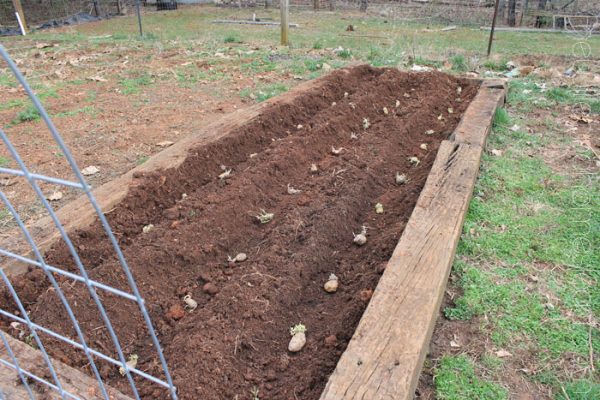
We live on a farm with ten acres. Yet, I don’t stick with one type of gardening. I’ll use container gardening for some crops during the winter in the greenhouse.
I choose traditional gardening for many of our crops during the fall and summer. Yet, I also use raised beds for some crops as well.
I’m going to share which crops may do best in raised beds. Therefore, if you live on a smaller plot of land, or if you like to mix your gardening styles, you’ll have an idea of which crops to grow:
- Arugula
- Beans
- Beets
- Bell peppers
- Broccoli
- Brussels sprouts
- Cabbage
- Carrots
- Celery
- Corn
- Cucumbers
- Eggplants
- Garlic
- Lettuce
- Onions
- Parsnips
- Peas
- Potatoes
- Pumpkins
- Radishes
- Rutabagas
- Spinach
- Sweet potatoes
- Tomatoes
- Turnips
Raised beds are a great option for plants which need loose soil because it’s easier to work and loosen the dirt.
Plus, it’s a great option for crops which grow up instead of bushing outward. This will allow more room for growing a variety of plants in your raised bed garden.
Trellis Options
Some crops grow better when they’re allowed to sprawl out or are supported by a trellis. Whether you’re looking for a crop you can support, one which can grow up a trellis for easier picking, or one to cover a walkway these options should be best for you:
- Beans
- Pumpkins
- Cucumber
- Watermelons
- Cantaloupes
- Squash
Beans are a great option for covering a walkway and also can be picked easier when up in the air. Squash and cucumbers are great for this as well.
Yet, if you’re going to grow crops which can become heavier such as watermelon, cantaloupe, or pumpkins it may be better to grow them closer to the ground with a trellis to offer support and keep the fruit from becoming rotten.
It’s also a good idea to choose the smaller varieties when using a trellis.
Container Garden

If you don’t have much of a yard (or maybe only a balcony) to raise a garden, container gardening could be a great choice for you.
I’m going to share with you the crops which do best in planting zone seven when grown in a container. Keep in mind, when searching for the crops to grow, check for the patio versions.
They usually grow smaller and do better when produced in containers verses the traditional variety of the crop.
Here’s what you should grow in a container:
- Arugula
- Beans
- Beets
- Peppers
- Patio berry bushes
- Cabbage
- Carrots
- Celery
- Chives
- Corn
- Patio cucumbers
- Eggplants
- Garlic
- Lettuce
- Onions
- Parsnips
- Dwarf fruit trees
- Potatoes
- Radishes
- Rutabagas
- Rosemary
- Sage
- Spinach
- Strawberries
- Sweet potatoes
- Thyme
- Tomatoes
- Turnips
- Squash
- Zucchini
Separate Beds or Vineyards
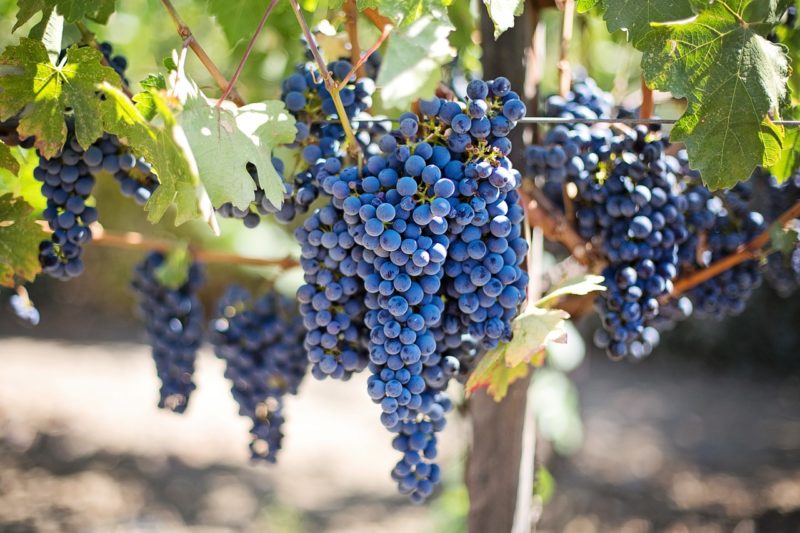
There are specific crops you can grow in zone seven which do better if planted in their own beds or vineyard.
These crops are going to be a permanent crop which should return with each passing year bigger and better.
However, you should plant them in an area where they can be undisturbed for years to come. You will need a plot of land to grow these crops because they do best when planted directly into the ground.
Here’s what you can grow in their own bed or vineyard in planting zone seven:
Hopefully you now have an idea of the variety of edible crops you can plant if living in zone seven. You should also have an idea of where you can plant the crops of your choosing and find the greatest success.
If you provide proper care to your garden, you should have great success, and we certainly wish you all the best with your efforts this season.


