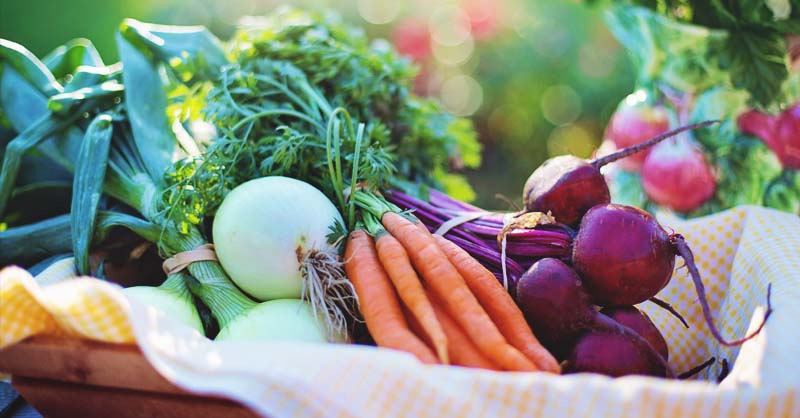
So, you want to start a garden, but not sure how big the garden should be to be able to fully support your family. This is a common question for beginner gardeners or someone who are looking to expand their garden.
The truth is, there is no single correct answer when it comes to deciding vegetable garden size. Some sources say 100 square feet per person is the magic number, but that can’t be right because every family has different needs and preferences when it comes to food. Also, plants vary in size, so it depends on what vegetables you grow.
That is why we created this highly-customizable garden size calculator to help you find the right number. Just input how many members in your family and choose which plants you want to grow and the calculator will tell you how many plants you need to grow and how big your garden should be.
How Many Vegetables to Plant?
| Crops | Harvest Needed/Person (lbs) | Harvest Needed (lbs) | Avg. Yield per 100 feet (lb) | Plants Spacing (in) | Row Length (ft) | Plants Needed |
|---|---|---|---|---|---|---|
| 3 | 3 | 50 | 48 | 6 | 2 | |
| 2 | 2 | 30 | 18 | 7 | 5 | |
| 0.5 | 0.5 | 45 | 14 | 2 | 2 | |
| 3 | 3 | 25 | 4 | 12 | 36 | |
| 3 | 3 | 50 | 16 | 6 | 5 | |
| 15 | 15 | 120 | 4 | 13 | 39 | |
| 15 | 15 | 150 | 6 | 10 | 20 | |
| 15 | 15 | 50 | 10 | 30 | 36 | |
| 3.5 | 3.5 | 150 | 2 | 3 | 18 | |
| 3 | 3 | 130 | 8 | 3 | 5 | |
| 8 | 8 | 100 | 18 | 8 | 6 | |
| 6 | 6 | 75 | 18 | 8 | 6 | |
| 15 | 15 | 150 | 18 | 10 | 7 | |
| 10 | 10 | 100 | 10 | 10 | 12 | |
| 9 | 9 | 100 | 18 | 9 | 6 | |
| 4 | 4 | 60 | 8 | 7 | 11 | |
| 0.25 | 0.25 | 50 | 8 | 1 | 2 | |
| 2 | 2 | 100 | 12 | 2 | 2 | |
| 25 | 25 | 80 | 16 | 32 | 24 | |
| 8 | 8 | 120 | 24 | 7 | 4 | |
| 0.25 | 0.25 | 60 | 14 | 1 | 1 | |
| 4 | 4 | 100 | 20 | 4 | 3 | |
| 1 | 1 | 90 | 12 | 2 | 2 | |
| 1 | 1 | 25 | 6 | 4 | 8 | |
| 1.5 | 1.5 | 150 | 16 | 1 | 1 | |
| 1 | 1 | 100 | 12 | 1 | 1 | |
| 1.5 | 1.5 | 75 | 6 | 2 | 4 | |
| 1 | 1 | 45 | 4 | 3 | 9 | |
| 6 | 6 | 50 | 14 | 12 | 11 | |
| 6 | 6 | 110 | 42 | 6 | 2 | |
| 1 | 1 | 50 | 6 | 2 | 4 | |
| 1 | 1 | 100 | 16 | 1 | 1 | |
| 8 | 8 | 100 | 4 | 8 | 24 | |
| 0.25 | 0.25 | 30 | 8 | 1 | 2 | |
| 3 | 3 | 100 | 4 | 3 | 9 | |
| 3 | 3 | 40 | 4 | 8 | 24 | |
| 3 | 3 | 60 | 16 | 5 | 4 | |
| 25 | 25 | 100 | 12 | 25 | 25 | |
| 10 | 10 | 100 | 42 | 10 | 3 | |
| 2 | 2 | 40 | 4 | 5 | 15 | |
| 4 | 4 | 100 | 4 | 4 | 12 | |
| 1.5 | 1.5 | 120 | 6 | 2 | 4 | |
| 3 | 3 | 40 | 12 | 8 | 8 | |
| 10 | 10 | 150 | 24 | 7 | 4 | |
| 6 | 6 | 100 | 32 | 6 | 3 | |
| 13 | 13 | 140 | 20 | 10 | 6 | |
| 3 | 3 | 100 | 14 | 3 | 3 | |
| 3 | 3 | 85 | 10 | 4 | 5 | |
| 24 | 24 | 100 | 30 | 24 | 10 | |
| 17 | 17 | 150 | 16 | 12 | 9 | |
| 5 | 5 | 75 | 6 | 7 | 14 | |
| 12 | 12 | 200 | 60 | 6 | 2 |
How Much Garden Space Do You Need?
To find the ideal size of your vegetable garden, please check the box on plants you want to grow from the list above. We’ll then calculate the required size automatically.
Disclaimer: The numbers in the table above may not be 100% accurate because vegetable consumption varies by family and the amount of yield for each plant is affected by many factors including soil quality, water, weather, pests/diseases problem, location, etc. Use the calculator only as a rough estimation and adjust the numbers according to your needs.
Data sources:
Now, if you want to have a more accurate estimation, here are the 8 considerations for deciding your vegetable garden size:
1. Small kitchen garden or a fully self-reliant garden?
What’s the purpose of your garden?
Is it just a small kitchen garden to grow fresh food and reduce your shopping budget, or do you want to be fully self-reliant from your garden?
Our calculator assumes the average numbers. It won’t be way off if you’re slightly below or above the average, but if you’re on the extreme sides, you will need to adjust the number accordingly.
If you haven’t started your first garden yet, our best advice is to just use the result from the calculator, it’s usually good enough. Then, increase or decrease the number of plants you grow in the next year depending on the result from your previous year.
2. How many people are you trying to feed?
Obviously, if you are a single person, you won’t need the same size garden as a family of four. And if you are a family of four, you’ll need a smaller garden than a family of six. Which is why we allow you to change the family size in our calculator.
But what might not be obvious is the number of people outside your immediate family that you might need to feed throughout the year.
In our first years of gardening, I didn’t think this part through. I would only consider the people under my roof and failed to realize how frequently my mother-in-law had dinner with us throughout the week and didn’t include her in my calculations. You can guess the rest of the story.
Right now, I support my parents as well as my immediate family. I’ve learned from my previous calculation failures to include them when planning my gardening space.
Other than feeding an extended family, if you entertain or participate in potlucks regularly, you should also take this into consideration when planning your garden. Similarly, if you want to sell some fresh produce for extra income.
3. Are you eating fresh or preserving your harvest?
If you are planning on eating fresh produce straight out of your garden, you won’t need as large of a garden as someone who is planning on preserving the harvest.
Our calculator assumes that you will preserve your harvest and use it throughout the year. And by the way, you should consider preserving your harvest if you’re not yet. You will need more produce, but this allows you to cut groceries budget throughout the year or even eliminate it completely.
Okay, but what if you’re sure not going to preserve some food, and just want some fresh tomatoes for the sandwich every now and then? Well, in that case you don’t need a calculator, just plant one tomato plant.
4. Will you be succession planting?
If you plan on using the same garden space to plant multiple vegetables, you may not need as much space if the growth times are different.
For example, if you want to grow peas and green beans in the same year, you could do this in the same garden bed. Peas can be planted in February (depending on your planting zone), and green beans are planted later and love the nitrogen peas add to the soil. Basically, it’s a good idea to plant green beans after peas in the same space.
When the peas are finished, use the same space to plant green beans. This means you wouldn’t need as large of a garden space because they are grown in succession instead of simultaneously.
If you are working with limited gardening space, consider succession planting to be able to grow more in the space you have.
5. Do you plan on having multiple garden beds?
We grow multiple gardens on our property per season. Instead of using one large garden plot, we break down our needs into multiple gardens.
This doesn’t really have anything to do directly with the total size (or does it?), but it’s something you need to take into consideration when planning your garden.
If you want to separate the bed for each plant, you should get the size needed for each plant on its own by check-marking only one plant from the table above and take a note of the garden size for that one plant. Then repeat the same step for different plants.
There are also other reasons to separate garden beds. For example, I have one garden bed for my family, one for my extended family, and one to sell produce.
You can also have one garden area for plants that are good companions, like the three sisters garden.
All in all, having multiple beds makes organization much easier if you’re planning a large garden, and it’s beneficial in general. But one downside is that you’ll need bigger total area for your garden because of the space between beds.
At the very least, you need 2 feet of space between garden beds, and you’ll likely need more than that just to make it easier for you to manage the plants especially if you have tools or basket with you.
6. How many times in the year will you be planting?
Technically, you can start three different gardens per year.
You might want to grow a spring garden filled with lettuce, spinach, cabbage, and peas. Then a summer garden filled with tomatoes, squash, cucumbers, and peppers. Finally, finish out the year by growing a fall garden with cabbage, squash, and root vegetables.
This is more tiring than having one garden per year or two, which most gardeners do. But if you do it right, you can save a lot of garden area, even if you plan on preserving the harvest.
To calculate the total garden size, you’ll need to do three different calculations, each calculation for plants that you will grow on different planting season and use the largest number of all three. That’s your garden size.
7. Which vegetable do you like the most?
This may seem obvious, but if you like a certain food, you’ll be more likely to eat it more than the average person.
Our calculators use the average amount of vegetables that a person eat. So if you like to eat tomatoes, for example, you might want to plant more tomatoes.
However, one thing to remember is that different plant needs different total area to grow properly.
It could make more sense (financially, at least) to plant smaller plants with high yield even if they’re not your favorite vegetables if you have a limited space and buy your favorite vegetable from the grocery store instead.
Write down all the vegetables you’d like to grow and compare their spacing needs and how well they do in your zone to narrow down what you will grow in your garden.
8. Different gardening methods require different garden size
You may have heard of many different gardening methods. From the traditional garden bed with rows of crops, raised beds, container gardening, keyhole garden, square-foot gardening, to the more advanced methods like hydroponics, aquaponics, or the space-efficient vertical gardening.
These methods have their own set of pros and cons, so go ahead and read the link above to compare each method and find which one is best for you.
As for the calculator in this page, it can be used for the traditional in-ground garden and raised beds, but you’ll have to make adjustments for other gardening methods.


