
Ahhh. Fall has arrived. The busy season is almost done, and we’re almost to the point where we can kick up our feet in front of our fire pits, roast S’mores, and enjoy the crisp evenings.
But there are still a few remaining things left on the to-do list for our gardens for the year. October is a time of preparing for the winter months and harvesting the last veggies we have lingering in our beds.
It can be confusing as to what needs to be done based upon your planting zone and region. Per the usual, we’re going to share everything you should know to help prep your garden this month for both scenarios.
Here’s what you should be busy doing around your garden in October for both planting zone and region:

Planting Zone Preparations
Zone Three
1. Wait on the First Frost
October is a time when frost can be your worst enemy or your friend. In this particular point, frost is a friend.
When the first real frost hits, it’s time to harvest your root veggies. The frost makes the vegetables lose some of their starchy flavors and adds a touch of sweetness.
2. Water Matters Even in the Cold
When the temperatures begin to drop, we lose sight of watering. Yet, it’s still an important part of maintaining a gorgeous garden and yard.
As the weather gets colder, try to get in a few more thorough watering sessions. Be sure to water your trees, shrubs, and perennials before the ground becomes fully frozen.
3. Protect Those Roses
Roses are a gorgeous addition to any landscape. I love mine! Which is why it’s important to make sure they’re well cared for when the temperatures begin to chill.
Make sure you cut back any new roses, remove any part of the plant which looks diseased or appears to have been attacked by bugs and cover your roses with mulch to provide a layer of insulation. Snow works as an insulator too.
4. It’s Apple Time
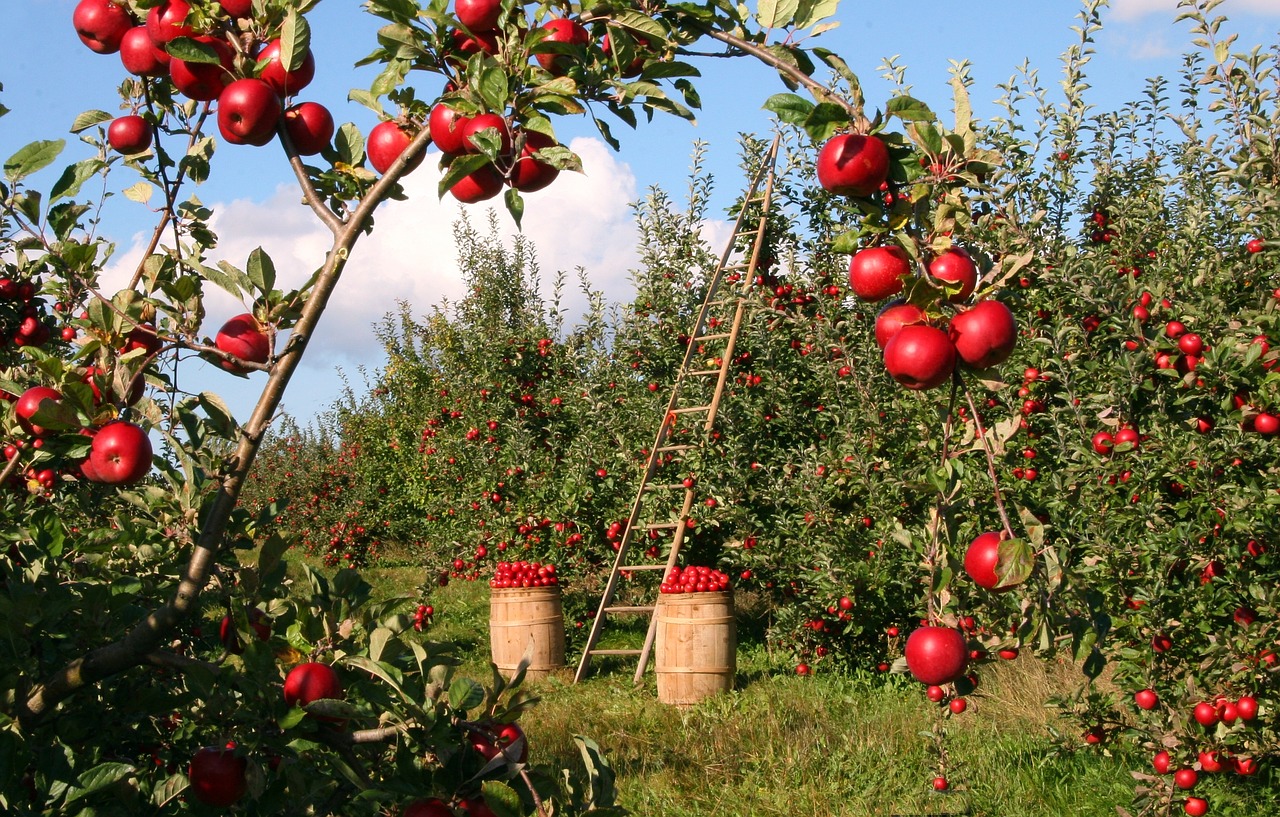
October screams, “Apples!” to me. If you have any apples to harvest, this is the month to do it. Pick them, store them, and can them to be enjoyed during the winter. You’ll be glad you did.
5. Neat as a Pin
This is the month to stay ahead of the snow. Be sure to clean any debris out of your garden and tidy it up.
When the garden is blanketed with snow, it’s too late. Therefore, get a jump on it and make your garden as neat as a pin.
Zone Four
1. Take Care of Your Root Veggies
When the temperatures begin to take a nosedive, it’s time to begin prepping our gardens for the tough turn of the seasons.
In this case, it’s time to harvest your root veggies. However, if you’re planning on storing your root veggies in the ground be sure to insulate them with a thick layer of mulch.
2. Time to Plant
If you’re a fan of garlic, you’re in luck. October is the month to get busy planting them for a later harvest.
Though the ground may be turning hard, and the temperatures are falling, you still have time to plant one more item.
3. Protect Your Garden Beds
Did you know you can protect the ground you grow in by planting a cover crop? You can grow wheat, barley, and other grains in individual garden beds or in your larger garden.
This keeps the ground protected from the elements over winter. Therefore, if you’d like to protect your garden spot(s), plant a cover crop this month.
4. Protect Your Roses and Grapes
Roses and grapes can be tender items to grow. Yet, if you take good care of them, they’ll bloom and produce for years to come.
October is the month to protect both of these plants. Prune them, mulch them, and make sure they’re ready to take on the dip in temperature.
Zone Five
1. Collect the Leaves
Fall is a great time for your compost and mulching efforts. Leaves fall, they’re free, and they’re abundant.
Make this work for you. Collect all the leaves you can, shred them, and either add them to your compost or mulch your beds with them.
2. Pick Up Excess Fruit
During harvest time, it’s normal for fruits to fall from the tree before you can pick them. The problem is when the fruits don’t get picked up.
It’s important to take time to clean up any excess fruit from the ground. If you don’t it could bring pests and disease to your plants.
3. Prep Asparagus Beds
October is the perfect month to begin preparing your asparagus beds. It’s important to work the dirt and make sure each bed is healthy for your asparagus plants.
Therefore, take this time to apply compost to your beds. Be sure to work it into the entire bed as much as possible.
4. Leave the Ornamental Plants Alone
It’s tempting to go through your ornamental plants during fall and cut them all back. Your sunflowers begin to die, and many other plants do as well.
However, it’s best to leave them. Dried wildflowers and sunflowers have a way of adding a pop of design during the time when plant life is dying off.
Zone Six
1. You Still Have Time for Spinach

Are you dreading the days when you can’t run outside and have fresh greens at your fingertips? Well, before you get too depressed, take advantage of the time you have left.
You still have time to plant spinach. It’ll need to be planted in a greenhouse or cold frame for proper protection from the elements.
2. Tidy Up Your Garden
October is the month when you should begin cleaning up your garden. Be sure to remove any debris or dead plants from the area.
It’s important to clean up your beds before winter hits. This could help deter diseases and pests from taking up residence in your planting areas.
3. Add to Your Compost
While removing dead plants from your garden area, be sure to pick up leaves and save your grass clippings too.
All these items make wonderful additions for your compost. When you’re done cleaning up the yard, toss them in, and you’ll have a beautiful compost to work with next year.
4. Get Ready to Protect
Cold weather brings frost, snow, and temperatures which are hard on certain varieties of plants. If you’d like for the plants to live for a little longer, you must protect them.
You can utilize sheets, row covers, or even move the plants to a cold frame. Either way, it’s time to pull out your protective gear to protect tender plants from harsh temperatures.
Zone Seven
1. Take Care of Root Veggies
When cold weather comes around, it’s time to attend to the root vegetables. It’s recommended in September to plant vegetables such as:
However, you must thin them out this month. Once they’re thinned out, be sure to add a thick layer of compost to spur on their growth.
2. Harvest Sweet Potatoes

If you planted sweet potatoes earlier in the growing season, October is the month to reap what you sowed. Be sure to get them out of the ground before the rain and colder temperatures cause the potatoes to split.
This could cause rot and damage your harvest. Therefore, jump on this task as early in the month as you can.
3. Plant Garlic and Onions
October may signal the end of the growing season, but there are still a few things you can plant in zone seven.
If you enjoy fresh garlic and onions, this is the month to get them into the ground. If you put in the work now, you’ll be glad you did when it’s time to harvest.
4. Plant Spring Crop of Spinach Now
When living in zone seven, you’re moving toward a slightly warmer climate. The upside of this is you can plant heartier vegetables to overwinter.
Spinach happens to be one of these vegetables. If you plant them now, you’ll have a delicious crop of spinach in the spring.
5. Prune the Berry Patch
This month is also the right time to tend to your berries. They should be finished producing, but they need a good cleaning before winter.
Remove any limbs which look diseased. If the limbs are broken they should be removed too. When finished pruning, be sure to mulch the berries to insulate them over the winter.
Zone Eight
1. Get Busy Planting
In many zones, very little planting is done during this month. This isn’t the case in zone eight. In fact, there are still a variety of plants you can plant this month. Plant the following items in your garden during October:
2. Plant a Cover Crop
If you’re concerned about the health of the soil of your garden over the winter months, October is the perfect time to tend to it.
Plant a cover crop to protect the soil from the elements over the colder months. When it’s done, be sure to feed it to your compost.
3. Plant New Shrubbery
This is also the month to plant new trees and shrubs. The fall is still warmer in this zone. Therefore, it’ll give the trees and shrubs time to develop stronger roots before winter comes.
Zone Nine
1. Get Busy Planting
October is a great month to plant in this zone. There are cold-hearty vegetables which will produce in milder temperatures.
This is great because you’ll have more fresh vegetables to store for winter or to enjoy now. Here are the vegetables you should plant this month:
2. Harvest Sweet Potatoes
While you’re planting in one area of the garden, you should be ready to harvest in another. The sweet potato harvest should be ready this month.
Be sure to wait to harvest until the tops of the sweet potatoes die off. However, be sure to harvest the sweet potatoes before the first frost.
3. Harvest, Harvest, and Harvest More
While you’re harvesting sweet potatoes, keep in mind there are a variety of other vegetables ready to be harvested too.
October is the month to harvest peanuts, pumpkins, and winter squash. The pumpkins should finish up in time to decorate.
4. Tidy Up the Orchard
During a time when the apples are in full swing, it’s normal to have some fruit fall from the tree before you could get to it.
However, don’t leave it there. If you do, it could draw potential pests and diseases to your orchard.
Zone Ten
1. Time to Transplant
If you’re in zone ten, you’re getting ready to prepare for quite the harvest. Before you can harvest, you must plant.
This is the month to transplant your tomatoes, eggplants, and peppers.
2. Water, Water, Water
October can be a dry time in zone ten. Therefore, it’s important to pay attention to the water situation around your landscaping and garden.
Be sure to apply plenty of mulch to your plants to help them hold moisture. Also, be sure to water deeply and adequately during this time too.
3. Time to Prune
This is also the appropriate time to give some attention to your fruit trees. The cold hasn’t made its way to this area by October.
Therefore, use this opportunity to prune your fruit trees. This will give the trees time to form new sprouts and harden off before the cold weather arrives.
4. Time to Plant
The final chore for zone ten is to plant. This is the appropriate time to direct-sow these vegetables:
Planting Region Preparations
Southwest Region
- Harvest pumpkins, winter squash, and sweet potatoes.
- Clean up the garden to help prevent disease and pests in the future.
- Plant beets, broccoli, brussels sprouts, cabbage, carrots, kale, lettuce, onions, radishes, spinach, and turnips.
- Bring your houseplants indoors.
- Water adequately but focus on cutting back. This will help prepare your plants and lawn for the winter months ahead.
Northeast Region
- Harvest your root veggies. Remove large amounts of soil from them and place them in a cool, dark location. If you have a root cellar, it would be a great place for long-term storage.
- Make necessary repairs. If you have outdoor structures in need of a coat of paint or a fence in need of fixing, October is a great month to get it done.
- If you’d like to plant hardy bulbs to bloom in the spring, now is a good time. Be careful to not mulch the bulbs until the ground freezes. It could draw pests which will dig up your bulbs and ruin your work. You can cover them in chicken wire if pests are a concern.
- Harvest all crops which will be damaged by frost.
- Plant garlic for a summer harvest.
- Prune and mulch berries and perennials.
- Clean all gardening equipment and store it.
Northwest Region
- Harvest fruits and vegetables. Be sure to store them in a root cellar or other cool, dark location.
- Pull green tomatoes and bring them indoors to finish ripening.
- If you’d like to start new garden beds, October is the month to begin prepping them.
- Clean up garden beds, flower beds, and your yard. Be sure to remove any leaves or other debris which could harbor pests or diseases and leave a mess.
- Clean up all water-catchment systems and gardening equipment to prepare for winter storage.
- Plant new trees and shrubs.
- Any herbs you’d like to overwinter indoors, dig them up and pot them. Be sure to keep them in a sunny location in your house.
Midwest Region
- Water all trees and shrubs for as long as possible. When the ground freezes, add a thick layer of mulch around each plant for insulation and to protect from being damaged by the water.
- Prune perennials down to the ground.
- Plant garlic.
- Prune the berry patch.
- Harvest apples and any other fruit or vegetable which could be damaged by frost.
- Clean up your lawn and garden. Be sure to remove any plants which show signs of disease or pests.
- Mow your lawn as long as it’s growing. When it stops growing, stop cutting it.
Southeast Region
- Plant broccoli, cabbage, carrots, onions, spinach, and turnips.
- October is a great time to plant herbs. Try new varieties!
- Plant strawberries. Be sure to water adequately.
- If your perennials seem crowded, divide them out and replant where they have more space.
- When the first frost arrives and kills some plants off, begin cleaning out beds to deter disease or pests from overwintering in them.
All of this is what you should be doing during the month of October, according to your planting region and planting zone.
This will also help you to have a productive month and better prepare you for caring for your garden in the area you live in.


