
For most fruit trees and bushes, fall is an even better time to plant than spring. So, if you have edible landscaping, food forests, or orchards on your agenda, now is the time to start planning and preparing to plant fall fruit trees.
Spring Planting vs. Fall Planting
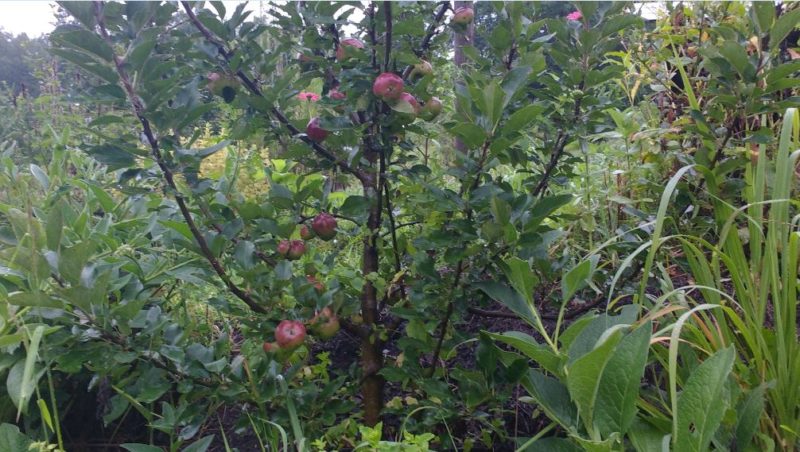
Most fruit trees and bushes are deciduous. This means they drop their leaves in fall, go into a state of semi-dormancy in winter, and then grow new leaves again in spring. During leaf growth, plants grow mostly shallow roots to seek out water and nutrients to help with fruit production.
Spring Planting
From spring through summer, plants focus on reproduction. Flowers and the resulting fruit are the external reproduction systems of plants. There is very little root growth during the fruiting period.
If you plant new fruit trees or bushes in spring, removing the blooms to ensure that plants don’t fruit will encourage plants to focus on root growth during the fruiting period. Studies have shown, though, that even in non-fruiting trees, when soil temperatures begin to warm, root growth declines.
Also, because warmer weather often means drier soil, spring-planted trees can quickly become dehydrated and stressed if owners aren’t conscientious about regular, deep watering.
Fall Planting
Fall is when fruit trees and bushes usually do their most extensive root growth. After the fruiting period is finished, plants turn their attention to setting deep anchor roots and storing up lots of energy to draw on during their winter hibernation period.
When you plant in fall, trees and bushes begin setting deep roots right away. Since root growth is their primary concern during this period, these plants become rooted more quickly than when planted in spring. Also, in spring, as soon as the weather begins to warm, they will start growing roots again.
Also, even though the above-ground tree becomes dormant in winter, below ground, trees can continue to grow roots as long as the ground is not frozen. Depending on your climate and your ground-freeze rates, this may happen all winter long.
Fall-planting essentially gives trees and bushes more time to set roots before their natural inclination to fruit occurs. It also gives plants more time to establish robust root systems before the summer stress period when soils warm and little root growth occurs.
Winter Stress
Winter can also be stressful on trees. However, because plants are designed to go into a dormant state in cold temperatures, winter stress is not usually as damaging as summer stress can be.
Most winter damage is not to the roots, but rather to branches from things like wind and frost-freeze cycles. Plants that had to endure lots of summer stress from severe heat or drought are more vulnerable to winter damage as well.
Regardless of whether you plant in spring or fall, fruit trees and bushes always need more care for the first few years after planting. However, planting in fall can give you a head start on root-establishment and get you to fruit production faster.
Fall Planting Preparation
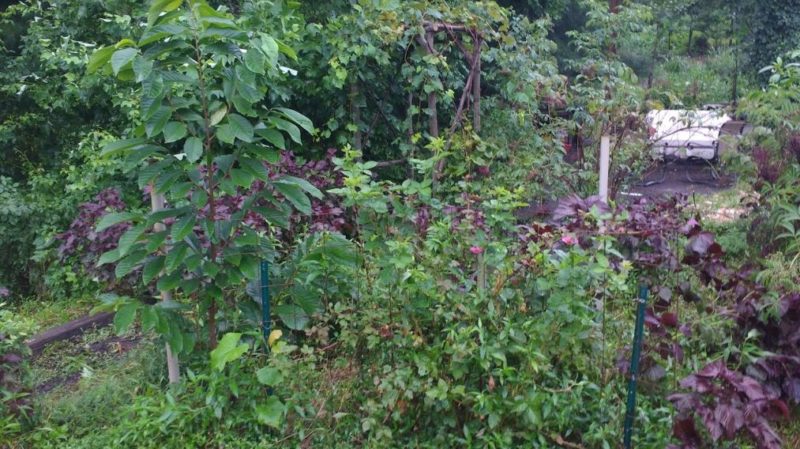
Before you plant fruit trees and bushes, there are a few things you need to do for good results.
Check Your Soil pH
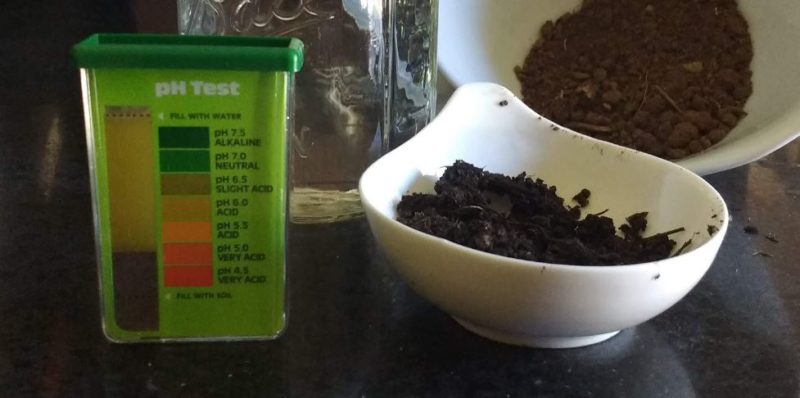
Soil pH is a measure of how acidic or alkaline soil is. The pH scale from 0.0 – 14.0 with 7.0 being considered a neutral pH. Each plant has a different pH tolerance rating that determines how well it will be able to grow and take up nutrients in different soil types.
For example, blueberries need a more acidic soil in the 4.5 – 5.5 range. Apple trees need a pH that is closer to neutral between 5.5 – 7.0 depending on variety.
Before you plant, determine the preferred pH range for the fruit trees and bushes you want to grow. Then, with a simple at home soil test kit, available online or in garden stores, you can determine your soil pH in just a few minutes.
If your pH is within the range of the pH your plants will need to grow well, you’re all set on pH and can move on to other amendments. If you are out of range, then you can use that information to determine if you need to apply lime to raise the pH (make more alkaline) or add sulfur to lower the pH (acidify).
The soil test kit will usually give you recommendations on how much and what kind of amendments to apply. Alternatively, you can generally get recommendations from your local agricultural extension office.
Amend Your Soil
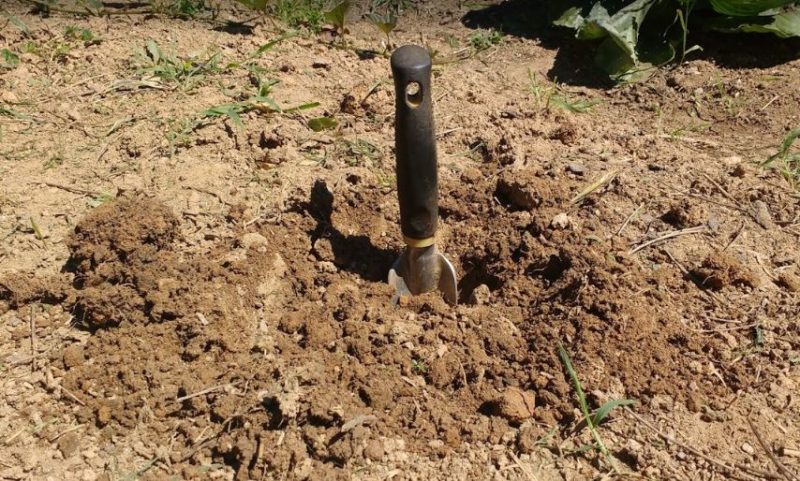
Adjusting your pH is a critical first step to preparing to plant fruit trees and bushes. However, even if you have the perfect pH if your soil is compacted or nutrient deficient, your trees will not be able to grow.
Many people dig and amend their soil at the time of planting. For best results though, preparing the soil a couple of months before you plant will allow the amendments to work their way through the soil profile and be more available to plants.
For fall-planted fruits, you do not want to use fertilizer. Fertilizer will trigger plants to put on new top growth. That new growth will not be hardened off in time for winter and will be susceptible to damage.
1. Apply Compost
Applying compost is a safer way to condition the soil before planting. If you have loam soil, to begin with, top-dressing with 3-4 inches of compost in advance of planting should be sufficient.
If you have poor quality soil, especially clay, sand or, silt dominant soil, then consider pre-digging your hole. Make the hole three times wider and two times deeper than you expect your root mass to be.
Backfill the soil the hole with 50% native soil and 50% compost. Break up clumps of clay and pick out rocks as you go. You may want to overfill the hole by several inches since the soil will compact a bit as it settles.
You will need to dig the hole back out again when you are ready to plant, but the second time will be much easier. You’ll probably also be astonished to see how integrated the compost and soil have become and how much new soil life has taken up residence in that area.
2. Mineralize Your Soil
You can do a professional soil test to determine precisely which minerals you need to apply for the kind of fruit trees and bushes you are planting. Your local agricultural office may be able to help you find low-cost testing.
Alternatively, you can take the easy route and apply rock dust after you incorporate compost to make sure minerals are available in the soil. Rock dust like Basalt or Granite are slow-moving mineral sources that can also help less than ideal soils move in the direction of being loamy.
Apply rock powders on top of your back-filled hole and allow them to work their way down into the soil naturally such as by rain.
3. Water Regularly Until Planting
To see the benefits of preparing your soil a couple of months in advance of planting, make sure your planting area is watered deeply at least once a week.
Order Your Trees and Bushes Early
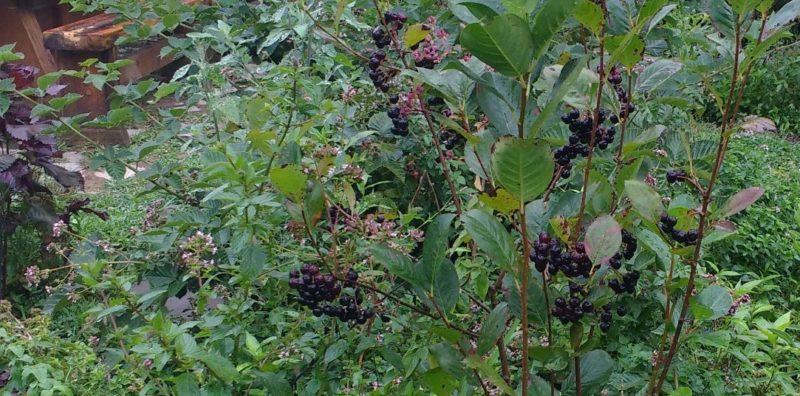
With the growing popularity of backyard food production, many of the most reputable retailers of quality fruit trees and bushes run out of stock before the planting season is over. Start studying up on varieties and suitability for your climate and soil now.
Once you’ve made your decisions, pre-order to ensure you get the plant varieties you want. Also, note, spring planted trees are often shipped dormant (no leaves) with bare-roots which makes shipping costs lower.
Fall plants are typically shipped live, in containers. So, shipping costs may be higher. If you can buy direct from local distributors in your area, you can save on shipping costs and your plants will already be more adapted to your growing conditions which can improve your chances of success.
Fall Planting Tips
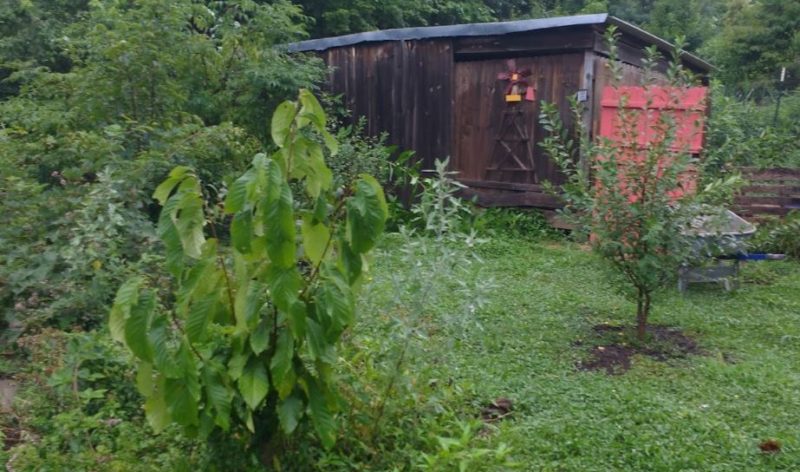
When fall rolls around, and your plants are delivered or you pick them up, there are a few more things you should consider doing to give your plants the best start.
1. Plant Right
Plant trees at the same depth they were planted at when you received them. If you plant the tree deeper than it was growing in the pot, it is more likely to be stunted or be subject to root rot.
Spread roots out in a circle and layer in the soil. Make sure plants have good quality soil around the roots and that they have more good soil to expand into.
Don’t compact the soil after planting. Instead, stake trees and secure them to the stake to hold them in place until their roots establish.
2. Use Mycorrhizal Inoculant
There has been some pretty astounding research on the benefits of fungi on the health of fruit trees and bushes. Fungi are believed to help plants take up nutrients, fight disease, and ward off pests. They also facilitate root growth and encourage healthier plants.
By adding an amendment called mycorrhizal inoculant when you plant your trees and bushes, you ensure that those fungi are present in the soil and can begin their good work right away. This generally comes as a powder and is applied when you plant.
Make sure you get a mycorrhizal inoculant that is prepared for use with fruit trees and bushes.
3. Water Deeply
Transplanting is stressful on trees and shrubs even if you are upgrading them to a better home. By watering intensely right after planting, you activate the mycorrhizal inoculant through contact with the roots. You also make nutrients in the soil readily available to plants.
Deep watering is kind of like helping plants move in faster. Make sure to do it weekly even after plants go dormant if you don’t get sufficient rain.
4. Mulch Appropriately
Apply 3-4 inches of mulch to protect the soil and roots after planting. Fruit trees and bushes that grow in soil pH levels above 5.5 benefits from a few inches of hardwood mulch. Plants that do well in more acidic soils like blueberries will respond well to mulched oak leaves, pine bark, or pine needles.
Never mulch directly around the base of your fruit trees. This is an invitation for pests. Also, in grafted trees, it may result in your rootstock overtaking your grafted variety. Leave a few inches open for airflow directly around the tree base.
5. Protect Your Plants

Most fruit plants are not only delicious to us, but to deer, voles, mice, and more. Protecting young trees with cages and trunk collars is important for healthy root establishment.
Plan Your Care Routine
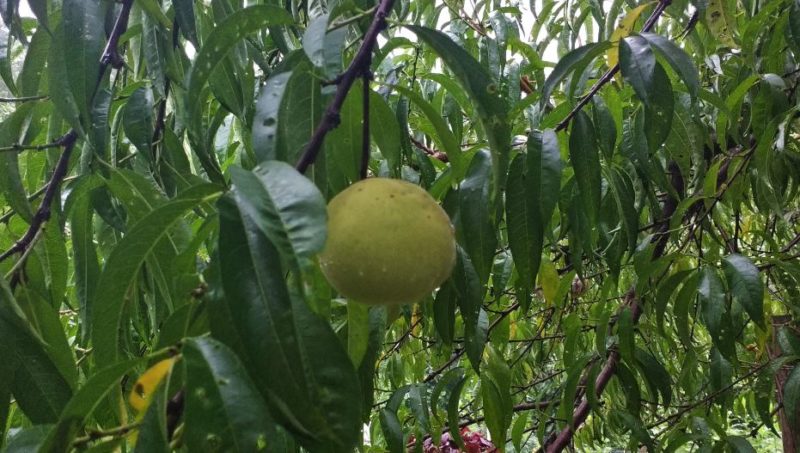
Even with a great start, plants still need routine care for good fruit production. Unfortunately, there are a lot of persistent diseases and pests that make growing fruit difficult. Even resistant varieties need protection in some areas.
If you begin your research on the specific care needs for the plants you have chosen after planting you’ll be ready to start caring for them in the new year. Fruit care generally requires pre-season fertilization to aid with leaf and fruit production.
Fruits like apples, pears, peaches, and more need dormant sprays like copper and sulfur to protect against some fungal diseases such as brown rot in peaches. They will also need some spray regimen during the bloom and fruiting periods.
Conclusion
Growing healthy fruit trees and bushes does take some work. However, the rewards of fresh, homegrown fruit for years to come makes it all worthwhile. Start your preparations to plant fall fruit trees now so you can reap the rewards of what you sow in just a couple of years!


