
Let’s all give a solid “Woo-hoo!” to the fact winter is almost gone and our gardens will be coming alive shortly.
If you’re like me, you’re itching to get outside. The walls of your home are closing in on you, and if you don’t get your hands in some dirt soon you might bust.
Well, the good news is with February, comes the hope of spring. This month practically everyone gets to start seeds and begin preparing for this year’s garden.
Curious as to what you should be doing around your area this month? You’ve come to the right place. I’m going to share with you the February gardening tips and tasks you should do based on your planting zone and region.
Here are the February gardening tips for homesteaders:
Gardening Tasks by Planting Zone
Planting Zone Three
1. Get a Check on Things
The time is nearing when you can begin to start seeds. Now is the time to check everything and make sure it’s all in working order.
Be sure you have the supplies you need, the seeds you need, and make sure your grow lights are functioning too.
2. Get Organized
This is the month to get everything organized. It’s difficult to know what you need more of if you don’t know what you have to begin with.
Therefore, take the time to organize your seeds and put them in order from the seeds you’ll start first all the way down to those which should be direct sowed.
3. Shop
Finally, this is the month to shop if you live in zone three. After you become organized, you can begin hunting local deals.
Search for all of your seed starting needs and give yourself time to price compare. This will make sure you’re ready and also save a few dollars too.
Planting Zone Four
1. Time to Start
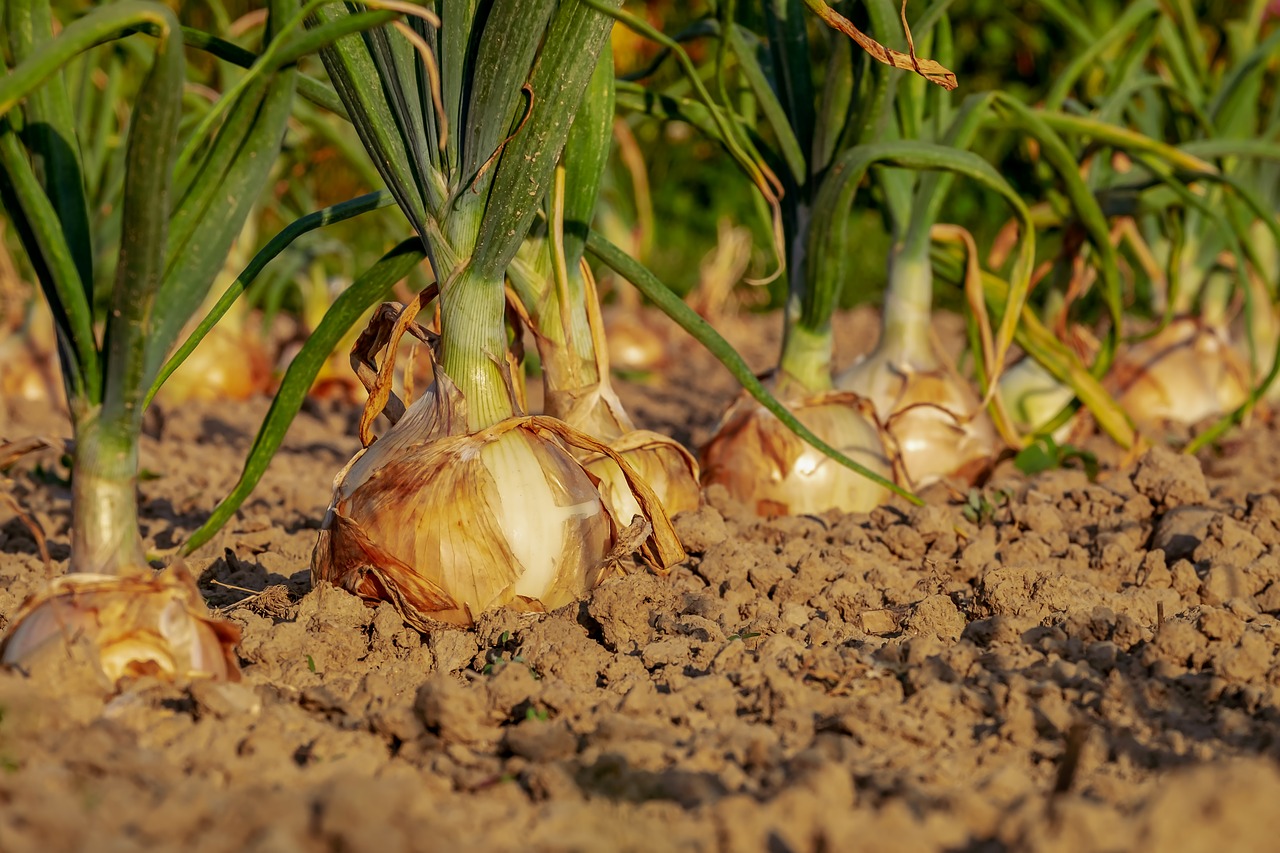
Zone four will give you’re the opportunity to get your hands in the dirt. This month you can begin to start pansies, onions, and celery.
However, they must be started indoors and under grow lights. Though it isn’t the same as outdoor gardening, it should get you one step closer.
2. Indoor Garden
Is your body screaming at you because it’s desiring fresh greens? About this time of year, every year, I begin to crave fresh produce.
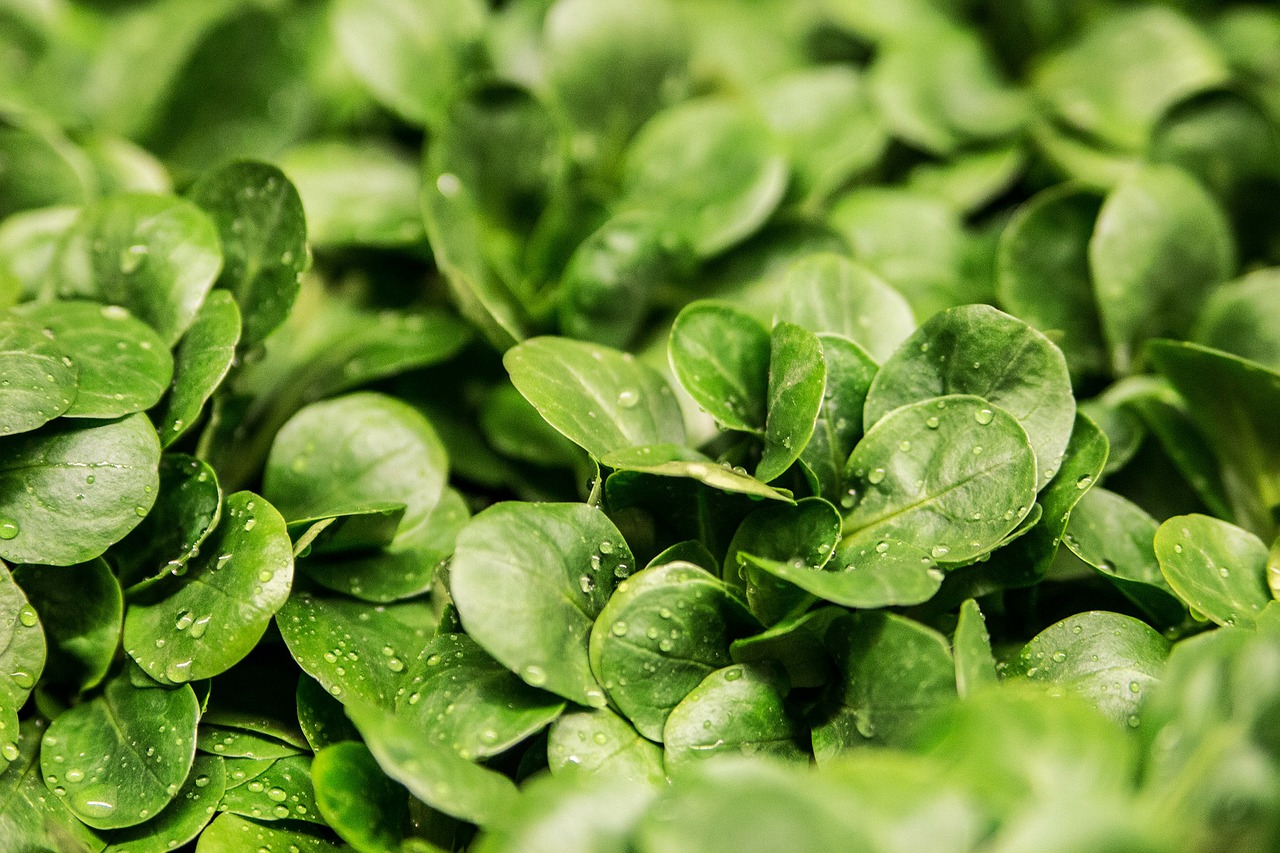
Well, you can get a jump on freshness by starting lettuce indoors. This should give you the opportunity to have homegrown lettuce even before the weather warms up.
Planting Zone Five
1. Let the Seeds Flow
This could be a potentially busy month for those who live in zone five. You get to start a variety of seeds indoors this month.
If you have grow lights, you can start lettuce, onions, celery, and early varieties of tomatoes. This should give you a great start on your garden.
2. Put the Greenhouse to Work
If you have a greenhouse or cold frames, they can help you to begin direct sowing certain seeds outdoors even before the temperatures rise.
Therefore, if you have either of these options you can direct sow radishes and spinach. They’re quite hearty and fast-growing too.
Planting Zone Six
1. Get a Jump on Things

This month, in zone six, you get to begin starting seeds indoors. Be sure you have grow lights to give the seeds the best chance for success.
You can start onions, broccoli, cabbage, cauliflower, and Brussels Sprouts indoors. When they’re ready for transplant this should give you a garden with lots of variety.
2. Plant Outdoors
This item may require you wait until a little later in the month, but once the ground has thawed it’s fair game.
Do you still have some bushes, roses, or trees you’d like to add to your property? Well, once the ground will cooperate get busy planting. February is the perfect time.
3. Tomatoes Are Coming
Most people worry they have to wait until later on to begin starting tomato seeds, but this doesn’t have to be a concern.
There are certain early varieties which can be started now. If you’re a tomato lover and want to enjoy a homegrown tomato ASAP, start your seeds this month. Be sure to start them indoors and under grow lights.
4. Snip, Snip
While the air is still crisp and cool, your trees and shrubs should still be snoozing (also known as being dormant.)
Well, this is the perfect time for pruning. Use the opportunity to shape-up any fruit trees, grapevines, or shrubs on your property.
Planting Zone Seven

1. Time to Transplant
February is a great time to transplant a variety of vegetables. You can transplant lettuce, cabbage, and onions outdoors this month.
However, keep in mind, there will still be some cold snaps. Therefore, you must be ready to protect the crops from the cold by covering them when necessary.
2. Direct Sow
February can be a cold month, even in zone seven. Yet, there are still some seeds which are ready to be directly sown into your garden.
If you like spinach, peas, and turnips they’re ready to be added to your growing space. You can also direct sow radishes and tougher varieties of lettuce.
3. Let’s Get the Party Started
After you finish sowing seeds outdoors, come back inside because the party is ready to get started. The seed-starting party, I mean.
This month is the time to begin herbs from seed indoors. You can also start petunias and snapdragons indoors too. Be sure to use grow lights.
Planting Zone Eight
1. Baby Your Soil
Since it’s almost growing time, this is the time to get your soil up to snuff. Check the soil in your raised beds, around your trees, and shrubs.
If your previous application of mulch or compost has vanished over the winter months, now is the time to add more compost where it’s needed.
2. Potato Time
Potatoes are one of my favorite vegetables. They’re easy to grow, easy to store, and homegrown potatoes taste delicious.
Well, around the third or fourth week of February, it’s time to plant your potatoes. Place them in the soil and watch them grow.
3. Plant, Plant, Plant
While you’re planting potatoes, get ready to plant other items too. You can direct sow leaf lettuce in your garden.
You can also plant greens too. Be sure to sow every other week to keep the harvest going. Plant roses during this time too. Be sure to prune and mulch the roses you’ve already planted.
4. Time for a Trim
Fruit trees require a great deal of care around this time of year, but the good news is, what you put into them now, you’ll reap later.
Therefore, take the time to prune your fruit trees. Also, add lime-sulfur to the tree (in spray form) to fight pests when the tree begins to form small buds.
Planting Zone Nine
1. Care for Your Soil
Your soil is where your plants are going to get the nutrients they need to grow properly. In short, your soil matters.
Therefore, you must care for it. Now is the time to add compost and rotted manure to your soil and give your plants the best soil to grow in.
2. Tomatoes, Peppers, and Eggplants
Do you love tomatoes, peppers, and eggplants? Get ready to do your happy dance because it’s time to get them started.
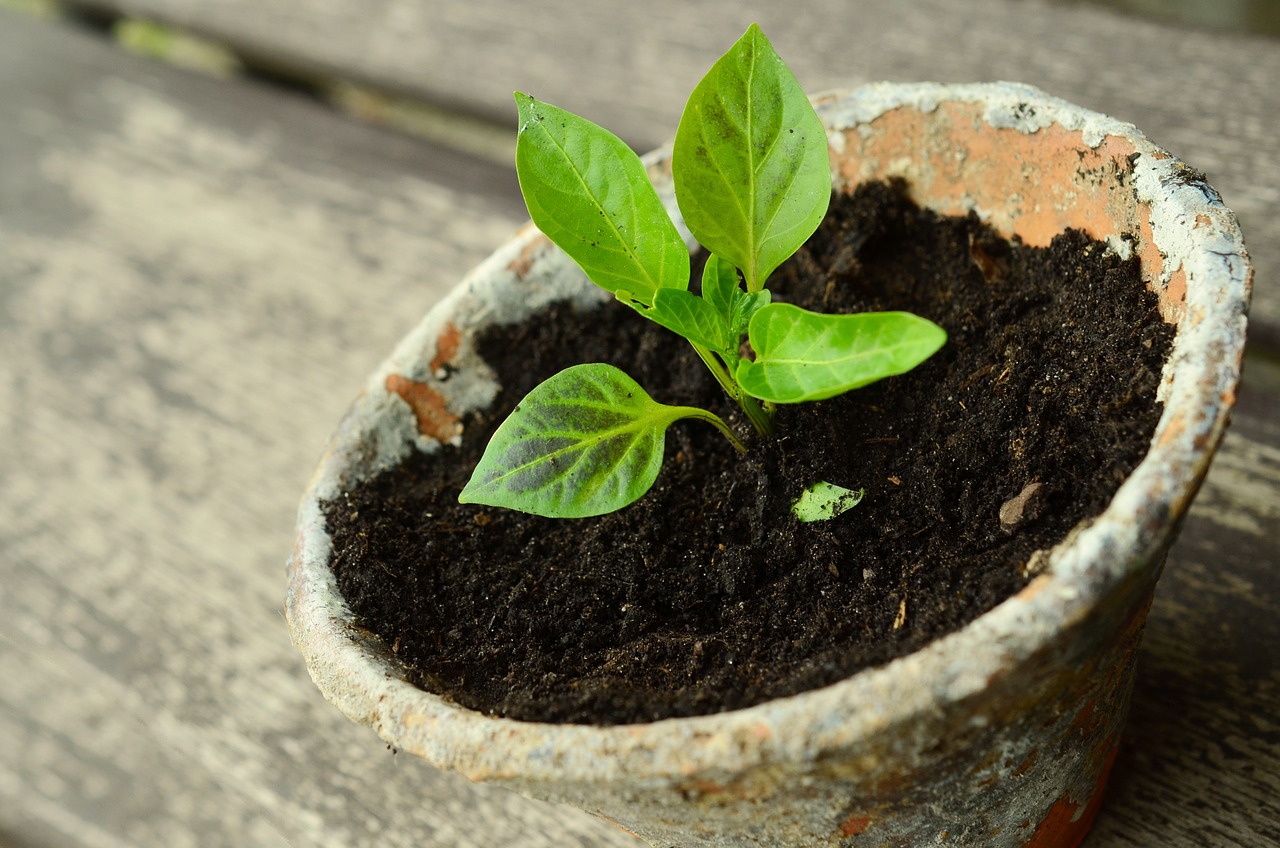
You can start each of these vegetables from seed indoors, but they must be grown under a grow light.
3. Flower Time
Every year I say I’m going to grow my flowers from seed and most years I get caught up in starting my vegetables and forget about my flowers.
Don’t do this. Instead, take time this month to start your petunias and geraniums indoors. When they grow into gorgeous flowers, you’ll be glad you did.
4. Time to Plant
February is filled with items you can plant. It’s the perfect month to plant bushes, trees, and roses in this planting zone.
But you can also direct sow radishes, peas, carrots, spinach, onions, and cabbage too. You’ll be munching on fresh veggies in no time.
Planting Zone Ten
1. Time to Sow
This is a busy month for planting in zone ten. You can direct sow cucumber and corn into your garden. Be ready to protect them from potential frost.
You can also direct sow radishes, beets, and carrots this month too. However, be sure to choose fast-growing varieties. This will ensure you harvest before things heat up in this area.
2. Transplant and Start New
Another task to perform this month is to transplant any peppers you may have started earlier. Be prepared to protect them from potential frost.
You should also take time this month to start okra and sweet potatoes indoors. You’ll be glad you did come harvest time.
Gardening Tasks by Region

Southwest
- Prune and fertilize roses
- Plant blueberries, grapes, and blackberries
- Direct sow cabbage, peas, carrots, beets, and potatoes
- Transplant onions, chard, lettuce, and asparagus
- Prune and fertilize grapes and fruit trees
Northwest
- Add cold frames to your property to start crops earlier
- Prune berry bushes and fruit trees
- Start broccoli, cabbage, Brussels sprouts, and herbs indoors
- Add compost to soil once it has thawed from the winter temperatures
Midwest
- Order seeds, perennials, and bulbs
- Grow herbs indoors
- Add cold frames to your property for an earlier start to crops
- Prune berry bushes, grapevines, and fruit trees
- Fertilize fruit trees
Northeast
- Order seeds
- See what foods you have in storage to help decide which foods you should produce later on in the year and how much
- Start onion seeds indoors
Southeast
- Clean out flower beds, and add compost and mulch when finished
- Divide and transplant oversized perennials
- Prune established trees, but also plant new trees and shrubs
- Fertilize settled fruit trees
- Plant potatoes and asparagus
- Mulch strawberry beds
- Prune, fertilize, and mulch roses
Hopefully this list of February Gardening tips will give you an idea of what you can do to help give your garden a solid head-start into the growing season.
Whether your area has much or little to do, every little bit helps move things in the right direction. Hold on, friends. The time will soon come when we’ll be back in our gardens with dirty hands but happy as clams.


