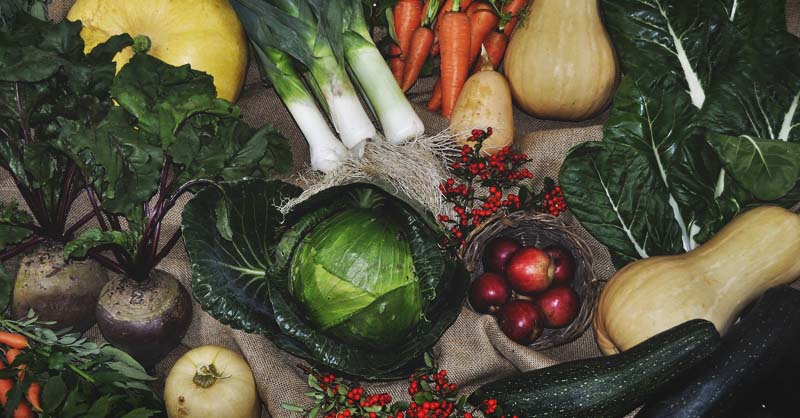
Luscious green plants, birds chirping, butterflies, and sweet smells – this is your happy place.
Yes, I’m speaking of your garden. You’ve put your blood, sweat, and tears into making this place grow, and you have a harvest.
Yet, you are unsure of what to do with the product of your labor. Those are reasonable feelings for most beginner gardeners.
However, you don’t have to keep your mind parked there. You can follow a few simple steps and learn how to handle your garden harvest. This way, your harvest and hard work won’t go to waste.

How To Store Your Harvest
If you want to utilize every bit of your harvest, follow these steps:
1. Bring Your Harvest to the Kitchen

When you have finished harvesting your garden, it is time to head towards the house. Most of your harvest should make its way indoors.
However, if you have harvested produce which is not quite ripe yet, find a sunny spot where they can finish ripening.
This can be in a sunny kitchen window, on a deck, or a patio. The sun is great for the vegetables which weren’t fully ripe.
There could’ve been numerous reasons you have green veggies to deal with. It could be drawing near to the end of the season, and you decided to pick them instead of losing them to frost.
Maybe you picked some veggies on accident, or you found some vegetables which had fallen to the ground and weren’t entirely ripe but there wasn’t anything wrong with them.
For whatever reason, be sure this part of your harvest finds a sunny spot. The rest of your crop must be brought indoors as quickly as possible.
Too much sunlight can continue ripening your harvest which will turn it to mush and make it non-palatable.
2. Decisions, Decisions
Once the ripe vegetables have made inside, it is time to decide what to do with them. Depending on what you are going to do with them, will determine the rest of the steps to this process.
You could decide to enjoy your harvest fresh. Storing vegetables fresh means you are going to store them in your fridge and cook the vegetables within the week of their shelf-life.
However, if you won’t be able to use your harvest quickly, consider other options for preserving it.
First, you could choose to can your harvest. Canning is when you turn your vegetables into canned vegetables, like what you usually purchase at the store.
Only this method allows you to do it yourself and save money in the process.
Second, you could choose to freeze your harvest. Your harvest would be prepared to the point where you would normally cook it.
But then, instead, you would put the harvest in freezer bags and store for up to three months from there. It is a quick solution, but if you have a large crop, you could soon run out of freezer space.
You should consider this.
Third, you could decide to pickle your harvest. Pickling is a process where you put your vegetables in a vinegar solution and preserve them.
An example would be turning cucumbers into pickles for later use.
Finally, you could decide to dehydrate or freeze dry your foods. They both require specific pieces of equipment, but they have a similar effect. The food is either frozen to the point of being wholly dried (per freeze-drying), or you put the vegetables in a dehydrator until all the moisture has been extracted.
All these methods are great ways to save your harvest to use later and will ensure your hard work doesn’t go to waste.
3. Bath in Cold Water
When you have decided on what you are going to do with your harvest, you’ll need to determine whether you need to complete this step or not.
If you are going to utilize your harvest within the week, give them a quick bath in cold water to knock off any existing dirt from them.
However, if you are going to store your harvest through another type of preservation method, you won’t want to wash your harvest until the time you are going to work on preserving them.
If you wash foods before preserving them, it can allow moisture to get into your vegetables and cause rot to start.
The only way you could safely wash your vegetables ahead of preserving them is if you have a large cooler to be able to store your harvest in the meantime.
4. Storage Methods

Next, we are going to discuss different storage methods for your harvest. If you are going to eat your crop fresh, you should wash it and place it in your fridge.
For instance, if you are storing herbs, you’ll wrap them in a paper towel and place them inside a plastic sealed bag. The paper towel will absorb any moisture the herbs produce during the week in the fridge to help keep them from wilting.
If you are going to eat tomatoes fresh, it is a good idea to avoid washing them until you decide to place them in the fridge. Put them in a crisper drawer where they are not stacked.
You can also store tomatoes without washing, upside down on your counter to keep them from rotting as well.
However, if you decide to store your foods using alternative preservation methods, you’ll need to be aware of how to store your harvest.
You will want to store vegetables like onions and potatoes separate but in dark locations such as a pantry or a dry place in a basement. This should keep them fresh for months of use.
But you can also store root vegetables, apples, onions, and potatoes in a root cellar as well. A root cellar is a dark, dry, and cool location which they thrive in. It also doesn’t require any electricity.
If you decide to dehydrate your harvest, storing them in airtight containers in a dark, dry location is a great way to keep things fresh for longer without using electricity.
Finally, if you can your harvest, store the jars in a dark pantry, basement, or root cellar for up to one year.
5. Wrap it Up

I wanted to mention wrapping your harvest because this is an alternative storage method for commonly harvested vegetables. You can use this method in addition to a method mentioned above to encourage extra freshness.
Let’s say you have multiple apple trees. You will notice most of them will become ripe at one time. You can dehydrate apples and can apples, but you’ll probably still have more left over.
What do you do with all those apples?
Well, you keep the apples whole and unwashed. You should wrap those apples in newspaper or butcher paper and place them in a box.
From there, you can store them in a box in a root cellar where they will stay fresh for a couple of months. The main idea is to deter rot from taking place.
However, you should check the box now and then for rot because once rot starts, it will spread quickly. Discard any apples showing signs of decay.
But you can do something similar to carrots. You should put the carrots in a box. You can layer the carrots with sawdust. The sawdust keeps them from touching which prevents rot.
You can store carrots in a root cellar in a similar fashion for months and use them like you would any fresh carrots.
As you can tell, wrapping your harvest adds an extra barrier of protection to keep everything fresh for long-term storage.
6. Leave It in the Ground
If you are harvesting your garden and are at the end of the season, there are some vegetables you can leave in the ground for later use.
Root vegetables are hardy vegetables. They can withstand colder temperatures. If you want to keep them fresh, but don’t have any way to store them for long-term use consider leaving them in the ground.
You will need to put a thick layer of mulch over the area where the root vegetables are. Leave them in the ground until you are ready to use them. It is a simple process.
7. Don’t Forget the Seeds
Finally, when harvesting your garden, you may run across some vegetables towards the end of the season which have bolted or gone to seed.
You should save those vegetables and harvest their seeds to replant next year.
Also, if you have an abundance of certain vegetables, and you don’t want to eat or store any more of them, consider cutting the vegetable open for the seeds.
You can dry the seeds in a dehydrator or the sun and save them to replant next year. This will ensure you have seeds to plant for the next year’s garden, and it will cost you nothing.
Well, you now know the seven steps to harvesting your garden. Harvesting isn’t hard. It is more difficult to make decisions on how you want to use it and store for later, long-term use.
I’m curious, how do you harvest your garden and what do you do with it? Do you have any tips or preferences you’d like to share with us?
Leave us your comments in the space provided below. We love to hear from you!


