
Do you live in planting zone nine?
If you’re interested in growing the majority of your own food (or even to supplement food to save on groceries), this is a great zone to live in.
Whether you’re new to gardening or looking for a few new gardening ideas, you’ve come to the right place. I’m going to share a few gardening basics for this planting zone and also share what you can grow in this area.
If you’re ready to embrace your garden and planting zone, let’s get started. Here’s what you should be growing if you live in planting zone nine:

Gardening Basics for Planting Zone Nine
Planting zone nine is a remarkable zone to live in because of the long
Therefore, you don’t have hard freezes during the winter months. This equates to being able to grow food almost year-round.
You can grow cold-weather crops in the earliest and latest part of the year. Pay attention to the weather and when a frost threat arises, place a row cover over the crops.
Keep in mind; you could also grow cold-weather crops in a container garden. If a threat of frost arises, you could place the containers inside a greenhouse or move them into a protected area until the danger passes.
You also have long summers because of the warm temperatures. This relates to being able to have multiple plantings of your warm weather crops.
If you’re interested in growing a variety of foods, this is an excellent planting zone to be in.
What You Should Plant in Zone Nine Gardening
Living in planting zone nine, you have quite a variety of fruits, vegetables, and herbs which can be grown in your garden.
I’ve divided them out into different categories to keep the list from feeling overwhelming. Here’s what you can grow in your garden:
Leafy Greens

I love leafy greens. They can be used in various ways, and they make me feel good. Leafy greens should be a large part of our diet because of all the vitamins and nutrients they provide.
They’re perfect for being grown inground, in raised beds, or in containers. You could also use them as part of an edible landscape. The options are many when raising these leafy greens:
- Arugula
- Collard greens
- Spinach
- Kale
- Lettuce
Fruits

We all love fresh, delicious fruit,
Instead, you can plant your own fruit. Keep in mind, many fruit plants are perennial and take a few years to produce heavily.
But if you plant them once, they should return year after year and give an abundant harvest perfect for preserving.
Other fruits grow on vines and serve as annuals. Be sure you give these fruit options enough room to grow.
Here’s the fruit you can grow in planting zone nine:
- Blackberries
- Watermelons
- Cantaloupe
- Strawberries
- Figs
- Grapes
- Lemons
- Oranges
- Pears
- Plums
Root Crops

Root crops are wonderful to grow because they do fantastic in containers. I prefer to grow many root crops in containers because it’s easier to keep the soil loose and to their liking.
However, other root crops need more room if you plant an abundance (such as potatoes.) Root crops store beautifully in a root cellar.
You can also leave them in the garden over winter if you don’t have storage. Be sure to cover them with an adequate layer of mulch to insulate them.
Yet, the colder the temperature, the sweeter it can make your root veggies taste. Here are your root veggie options:
Herbs

If you’re growing a bunch of delicious fruits and vegetables, don’t forget the herbs to dress them out. Herbs can be grown in containers, a raised bed, or in your regular garden.
Here are the herbs which grow best in this location:
- Sage
- Thyme
- Parsley
- Rosemary
Vegetables
Our last stop around the garden in planting zone nine is the vegetable patch. There are a wide variety of crops which grow well in this area.
Some are cold weather crops and will do better if grown during the earliest or latest part of the year. While other crops thrive in the warmer temperatures and will do fine during the remaining months of the year.
As a general rule of thumb, root vegetables and leafy greens do better in colder temperatures. While the fruits and herbs prefer warmer temperatures.
Here are the vegetables we haven’t discussed yet but will grow beautifully in this zone during the cooler times of the year:
The following crops grow better in warmer temperatures for zone nine gardening:
A Quick Tip
There are certain crops mentioned in the list above which will do better in specific locations or should have more thought put into where they’re being planted.
Take special consideration when planting the following items in your garden:
1. Asparagus
Asparagus will come back each year after you plant the crowns. They do best if planted in a bed by themselves to make sure they aren’t disturbed or torn down accidentally.
The first time I grew asparagus, I planted it along a fence line which worked well. I don’t have a regular fence at my home currently.
Therefore, I grow my asparagus in a bed by themselves to make sure they’re cared for properly. Consider where you’d like a permanent bed on your property when planting asparagus.
2. Blackberries
Blackberries are a perennial plant and will come back faithfully each year if taken care of correctly and if the elements don’t harm them beyond your control.
If you plant blackberries, consider where you’d like them in the future because once you plant them, they’re there.
My blackberries are all planted together in a corner in my yard. This works because they’re out of the way, but they look beautiful when they’re producing.
3. Strawberries
Some strawberry varieties are annuals. They’ll produce heavily the first year, but they’re done after. You can also choose perennial varieties.
They don’t produce a large harvest the first couple of years, but they come back stronger with each passing year.
If you’re planting a perennial variety of strawberries be sure to place them in a bed or planter where they can be left undisturbed when they’re not producing.
4. Grapes
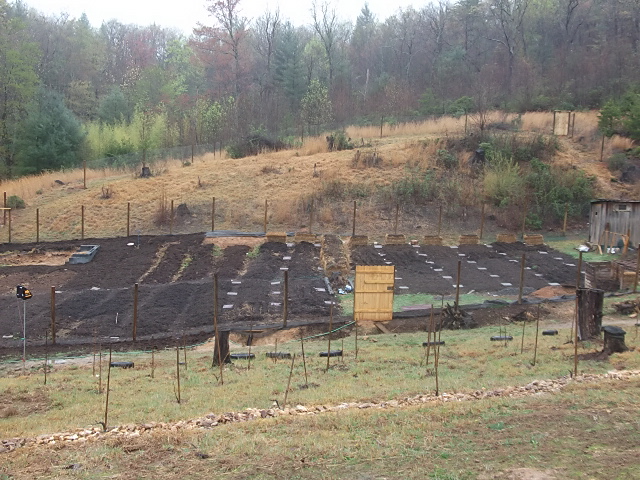
I have a vineyard on my property. If you plant a large number of grapes, you should place them in an area of your yard where they won’t be disturbed.
You can choose to use a trellis to support them as they grow. If you only plant a couple of grape vines, you can grow them along a trellis or allow them to sprawl across a fence.
Either way, you want them to be where you’ll be satisfied with them for years to come and where the weed eater won’t take them out.
5. Fruit Trees
Fruit trees are a gorgeous addition to any yard. If you have space, you can plant a small orchard with a variety of fruit trees.
Yet, if you live in an area with a smaller yard, you could plant a dwarf variety of a fruit tree for an edible landscape.
Fruit trees take a few years to begin producing and will return with each passing year. Therefore, make sure you plant the tree or trees where you’ll want them for years to come.
You now know which plants suits zone nine gardening and also the plants which you should give special consideration before following through with planting them.
Hopefully you’ll have a variety of edible items growing in your yard. Not only does it make you more self-sufficient, but it makes it easier to lead a healthier lifestyle.


