
Do you live in an area where you receive massive amounts of snow each year? Are you continually being snowed in because every time the plow comes through, snow drifts cover up the area quickly?
It’s time you should consider installing a snow fence. If you aren’t familiar with a snow fence, I’ll tell you all about it here.
I’m going to walk you through what a snow fence is, how it works, and give you a couple of ideas for either a permanent or seasonal snow fence.
If you this sounds like something that could make your life easier, let’s start exploring:
What’s a Snow Fence?
When I first heard the term ‘snow fence’, I immediately pictured a snow fort in my mind. Oddly enough, they’re similar.
A snow fort is meant to keep you safe from the elements by forming a barrier out of snow. A snow fence is put up to create a protective barrier from the elements also.
If you live in an area where heavy snow is a regular part of winter, you may have noticed certain areas (such as a driveway) becomes easily covered with snow after plowing or from snow blowing.
It’s because the snow gets blown right back onto this open area by the wind after the plow or snow blowing happens.
This could be so severe, that some people are snowed in all winter long.
To prevent this, a fence (whether seasonal or permanent) is constructed in certain areas to form a barrier for the wind. This makes the snow pile up into a drift against the fence when the wind blows, instead of landing back on your driveway.
As you can tell, a snow fence can be a lifesaver if you live in certain areas with heavy winters.
Plus, if you’re a farmer, a snow fence can help fill bodies of water on your property. With the strategic placement of a snow fence, when the snow melts it could drain directly into a specific hollow or pond. You could have a great water source on your hands.
There are many benefits to having a snow fence if you live in an area with an abundance of snow.
How Does It Work?

A snow fence is an ingenious way of keeping your driveway clear even after a heavy snowstorm, but how does this all work?
It takes some observation and planning to install an effective snow fence, but once you get the hang of it, you’ll be able to utilize it year after year.
A snow fence should be placed in the precise location where the snow will pile up downwind of it. If the fence is too close to the area you’re trying to protect; it’ll begin piling snow where you don’t want it to be.
However, if it’s too far away, the snow fence will be ineffective at protecting the area.
Therefore, it’s recommended snow fences should be placed 35 times further away than the height of the fence. If you were planning on using a four-foot fence, the fence should be placed 140 feet from the area you want to keep clear. If you were going to install a six-foot-tall fence, it would need to be 210 feet away from the area. You see how the math works to figure out where the fence should be placed.
But you can play around with where you’d like the fence to be placed if you use a seasonal fence. Some manufacturers recommend placing the fence closer to the area.
Therefore, if it isn’t permanent, it gives you some wiggle room with finding out what’s most effective for your particular situation.
Also, the fence shouldn’t be located directly on the ground. You want a minimum of five inches of space between the ground and the bottom of the fence.
This allows the wind to blow underneath the fence which encourages the drift to form. If you put the fence directly on the ground, it could become covered in snow instead of blocking the snow.
The higher the snow fence is from the ground, the more effective it is said to be.
Once the fence is in place, when the snow comes, it should keep the snow from blowing over the area. Instead, it should cause a snow drift to form on the side of the fence farthest from the area you’re trying to protect.
Do I Want a Permanent or Seasonal Snow Fence?
There are different options for installing a snow fence on your property. One option is to have a living snow fence.
This could be a line of trees or shrubs up your driveway or in an area where snow can cause a problem or form a snow drift to fill a body of water on your property when it melts.
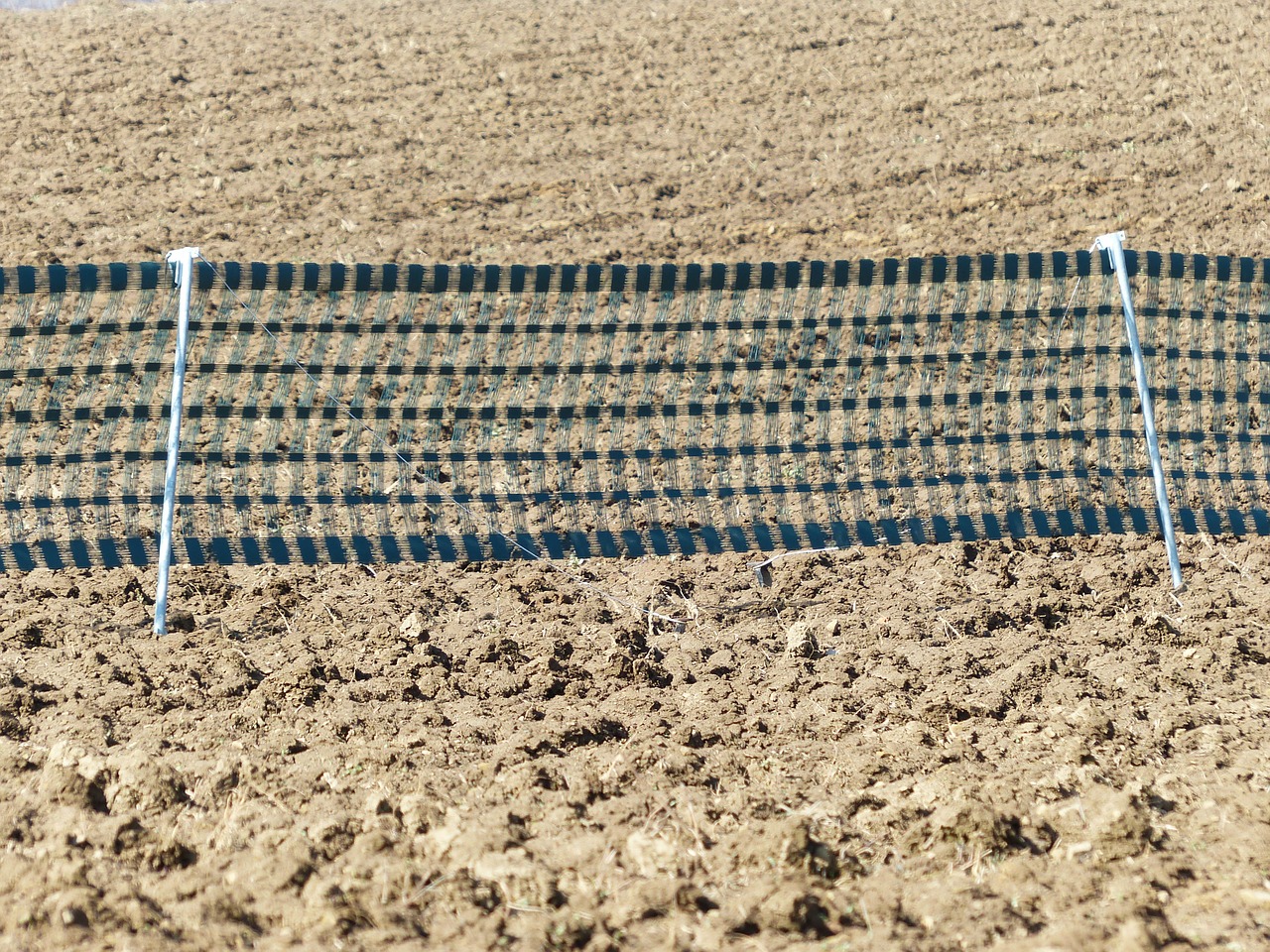
A second option is to put a seasonal snow fence in place. This is done by using plastic grid fencing attached to t-posts.
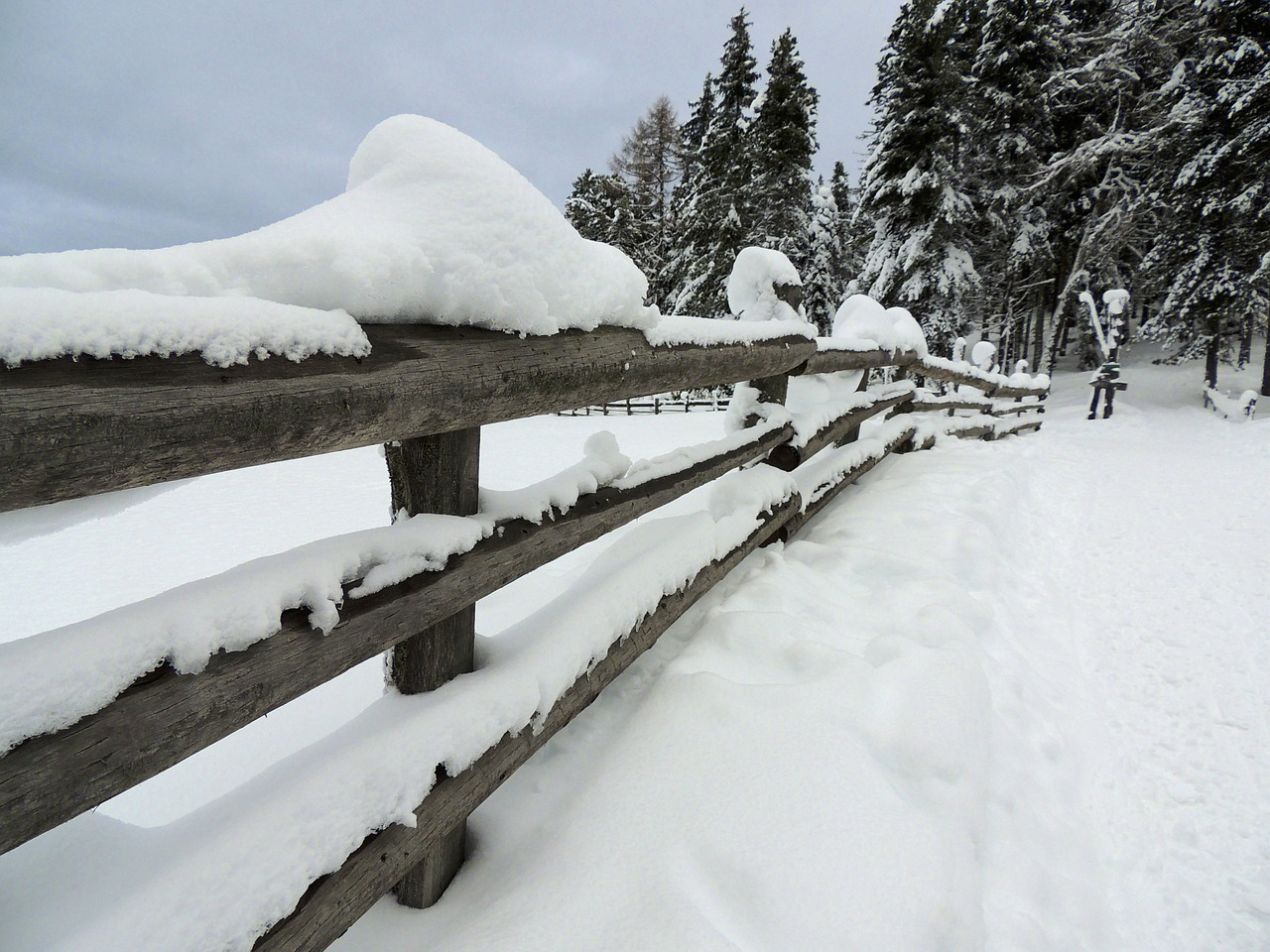
A final option is to put a wood plank fence in place along the area you’d like to keep snow from regularly covering throughout the winter.
It’s all a matter of opinion on whether you’d want the fence to be permanent or not. In my opinion, if you were going to line your driveway to protect it from snow, why not put a permanent wood fence or line it with trees?
It would add a nice touch to the curb appeal of your home as well as being a functional part of your home during the winter.
However, if the snow fence is going to be in a place which would make it difficult to utilize your land during the warmer months of the year, you’d want to go with something more temporary.
Also, consider if you’d have the strength, interest, or manpower to put up a snow fence each year. Would you have a place to store the materials during the warmer seasons?
Look at your situation and decide which type of fence is most practical for you and your property.
How to Install a Seasonal Snow Fence
Many people choose to go with a seasonal snow fence because they don’t need the fence during the rest of the year.
Installing a seasonal snow fence is an easy process, though it does require some strength to get it done.
Remember, you’re installing a fence which will have to handle strong winds at times and the weight of snow pushing against it.
Here’s how you can install a seasonal snow fence on your property:
You’ll need:
- T-posts
- Plastic grid fencing
- Post driver
- Zip ties
1. Install Posts
Depending upon what size fencing you go with, your t-posts should be two feet taller. This will give you room to raise the fence higher.
Therefore, if you decide to go with four feet fencing, use six-foot t-posts. The t-posts should be eight feet apart.
It’s important to not skimp on the t-posts because this is where the netting gets its strength. The closer they are, the stronger your fence should be.
Drive the t-posts into the ground with the driver an equal distance apart.
2. Apply Fencing
When the t-posts are in place, apply the fencing. To start, wrap the first t-post with the fencing and attach it with four zip ties.
The more zip ties you use, the stronger your fence should stand as well. When you’re confident the fencing is adequately attached to each t-post, your fence is installed.
Also, if you’re concerned you won’t have a place to store this fencing during the warmer seasons, the good news is, you don’t have to.
This type of fencing is great to use to deter deer from your property; you can use it to support green beans or even fence in your garden.
3. Make Notes
While your fence is in place, take notes about what you like and dislike about it. Does it need to be moved next year?
Are the t-posts close enough together? Is the fencing staying attached well enough? This will give you clues as to what you should do differently the next season you need a snow fence.
This guide will help you better understand what a snow fence is, its purpose around some homes and homesteads, your options for a snow fence, and how to construct a temporary snow fence.
It may sound like a decent amount of work, but if you live in an area where you have to plow your driveway to go to work, anything to keep you from doing more shoveling and plowing might be worth the work upfront. Here’s to giving your snow shovel and your arms a bit of a rest this winter!


