
Have you ever wanted to begin the homesteading lifestyle but thought, “I don’t have what it takes?”
Don’t get discouraged and don’t give up on your dream because you didn’t come from a self-sustained background.
I didn’t either, and here I am, almost a decade later finding homesteading success because I’ve learned a few basic skills along the way.
I’m going to share specific skills which can make the difference between your homesteading lifestyle succeeding or failing.
Here are the homesteading skills you should focus on to help realize your dream:

1. Painting

When most people consider what they might need for homesteading success, they go straight to growing food and raising animals.
Though these are essential homesteading skills, they aren’t the only ones you’ll need. Knowing how to paint correctly is an important skill set to have. It helps you keep your property well-maintained and can also offer a layer of protection from the elements.
Not to mention, anything you can do yourself saves you money because you won’t have to pay others to do it for you.
2. Using Nail Guns
Using a nailgun is a skill I was timid about learning. My husband has over 13 years of experience working in construction. He was comfortable from the start using almost any tool.
I was not. Nail guns terrified me, but over time, I’ve learned how to use different styles of nail guns properly.
I still have a healthy respect for them, but I feel more confident in using one. Knowing how to use a nail gun can save you a tremendous amount of time when nailing items into place and building structures is a large part of homesteading.
3. Using an Impact Driver
An impact driver is another tool you must become comfortable with when homesteading. Using an impact can save you enormous amounts of time when screwing items into place.
Again, building structures is a large part of homesteading and tools which make this easier are a necessity.
Learning how to use these tools is a necessary skill you should develop. Using an impact takes time to master, but once you do, you’ll feel confident in your abilities to build or secure any item around your homestead.
4. Developing a Building Plan

I wouldn’t consider myself an artistic person in the slightest, but I’ve learned (through my time homesteading) I’m a creative person.
I can look at plans on the internet or get ideas and bring them to life through my imagination.
You must be able to develop plans in your head and either draw or communicate them in a way you can bring them to life and figure out the measurements to build what you’ve imagined.
5. Animal Husbandry

Yes, a part of homesteading is definitely knowing how to care for your animals properly. I can’t stress this enough.
Make sure you do your research and are fully prepared before you bring an animal home. Their treatment should be your top priority.
Therefore, do your research, but don’t beat yourself up over mistakes. Losing animals is a part of homesteading, unfortunately. You’ll learn some lessons the hard way, but you must have the desire to learn and execute the knowledge you have when caring for livestock.
6. Gardening
Gardening is another vital skill when learning how to homestead successfully. Fortunately, you don’t need to be an expert gardener before launching your homestead dream.
It does mean you must do your research, persevere when you make mistakes, learn how to garden for your particular planting zone, and be prepared to try different styles of gardening.
The more you garden, the more you’ll learn what works for you and what doesn’t. Again, you must be willing to learn and execute the knowledge you gain. Also, consider learning food preservation methods too.
7. Knowing and Using Variety of Saws
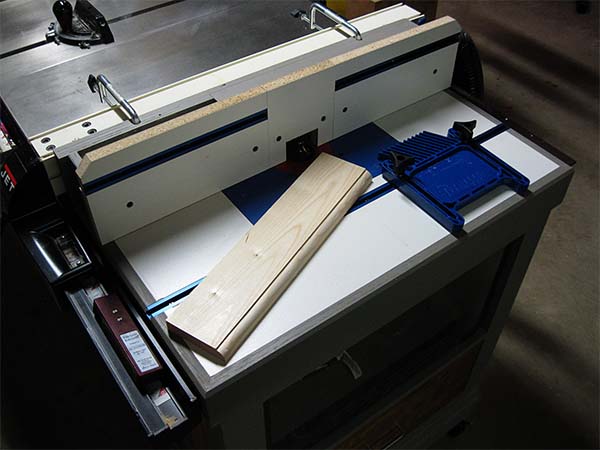
There are a ton of saws to learn how to use when interested in building sound structures and having success around your homestead.
You’ll come across times when Sawzall’s are your best friend. Other times you may use a miter saw, table saw, or a circular saw.
Each of these saws can help you make clean cuts and make building much easier. Be sure to do your research and use caution when working with these types of tools.
8. Operating a Chainsaw
Using a chainsaw can be a dangerous process. They’re sharp and powerful which means you should use extreme caution.
As intimidating as a chainsaw can be, they can also be necessary when choosing the homesteading lifestyle.
They make chopping down trees for firewood easier, and they can also help you if a tree falls during a storm. Be sure to do your research on felling trees prior to taking this task on.
9. Using an Ax

Knowing how to use an ax is another vital skill set you should develop when considering the homesteading lifestyle.
Even if you have a chainsaw to cut your firewood, you’ll still need an ax to help make kindling. Using an ax may seem easy, but it’s a great deal of work.
Therefore, take your time and make sure you add this skill set to the list you should learn to become more self-sufficient.
10. Plumbing
As I mentioned earlier, anything you know how to do to where you don’t have to pay someone else to do it for you is putting you one step closer to homesteading success.
The reason being, it not only saves you money, but you’re learning valuable skills which are helping make you more self-sufficient.
Plumbing is one of these skills. If you can fix a leak, run water lines from one place to another, or even fix a clogged sink, you’re giving yourself a greater chance at success with your homesteading venture.
11. Basic Mechanic Work
Most homesteads have many types of equipment. This equipment could be a car, truck, tractor, lawn mower, or even a tiller.
It’s important to understand how to do basic mechanic work to keep your equipment in running condition and also to be able to make basic repairs.
This will save you money and give you the
12. Cooking

The last basic skill set you should learn to give yourself the greatest shot at doing well when homesteading is to learn how to cook.
It may sound simple, but you’d be amazed at how many people don’t understand the concept of cooking anymore because we’re accustomed to convenience foods.
Teach yourself how to cook by checking out YouTube channels, reading cookbooks, and by browsing the internet for beginner recipes. You can also learn different methods of cooking as well.
You now have 12 basic homesteading skills you should consider learning to give yourself the best chance of success when launching your homesteading dream.
Homesteading goes much deeper than raising food and animals. It consists of being able to do many things on your own or with your family instead of calling someone in to do the work for you.
By teaching yourself a few basic homesteading skills, you’ll be amazed at how far self-sufficiency can carry you.


