
When the winter weather hits in earnest, I have more time to spend doing things indoors. I could easily get caught up in watching the latest greatest TV programs (and sometimes do). But really, I feel a whole lot better when I do something that makes me a better homesteader.
Taking on new indoor hobbies like making soap or taking up sewing are great ideas. Unfortunately, they cost money – a thing I tend to have very little of after the holidays. So, rather than investing in new, and possibly expensive hobbies, I beat the winter blues with free or low-cost skill-building activities that don’t require me to buy new tools or equipment.
Here are some of the ways I’ve weathered the cold by improving my knowledge and upping my homesteading game!

Indoor Homestead Skill-Building
1. Learn First Aid

Did you know that you can learn first aid online? Reputable organizations like the American Red Cross offer courses for low fees of $15 or less that will get you certified in first aid from home.
Homesteading is an inherently risky activity. If you live in a remote rural area, emergency assistance can be a half hour (or more) away. Being able to handle emergencies until help arrives is a critical skill for homesteaders.
2. Learn Pet First Aid

You can also take first aid courses specifically designed for your household pets. We keep four cats around our homestead to help with vermin populations. We also have a pet dog that doubles as a livestock guardian dog.
These animals are essentially members of our extended family. Being able to respond to pet emergencies is just as important to me as helping my human family. Winter is a great time to hone your pet first aid and emergency care skills too!
3. Get More Educated About Your Animals

Why are some animals solitary while others live in groups? Why are some animals territorial and others not so much? Why can ruminants digest things that omnivores can’t?
There are a number of free or low-cost online courses that will help you better understand animals including their behaviors, overviews of veterinary care and related laws, and anatomy.
Beyond basic care, understanding the reasons why livestock exists, behave as they do, and how their bodies work can make your job easier. You’ll be better prepared to manage your livestock if you know more than just how to feed and shelter them.
4. Learn About Soil

You can grow a garden just by doing soil tests and applying what you are instructed to apply. If you want to be a great gardener though, you have to invest time to understand how soil works.
Soil is an incredibly precious resource. Even in organic gardens, soil is often abused merely because users don’t know what good soil is.
For instance, soils that are high in organic matter require significantly less fertilizer than soils depleted of organic matter. If you follow the standard applications rates on the bags of fertilizer in a compost-rich garden, you can ruin your soil! Yikes!
Also, many homesteaders don’t understand how the amendments such as green sand, gypsum, lime, sulfur, rock phosphate, etc. impact soil. Gaining a deeper understanding of the entire soil ecosystem that grows your food, makes you a better steward of your land.
Some fantastic and free online resources can turn you into a soil specialist on your homestead.
5. Take a Permaculture Course
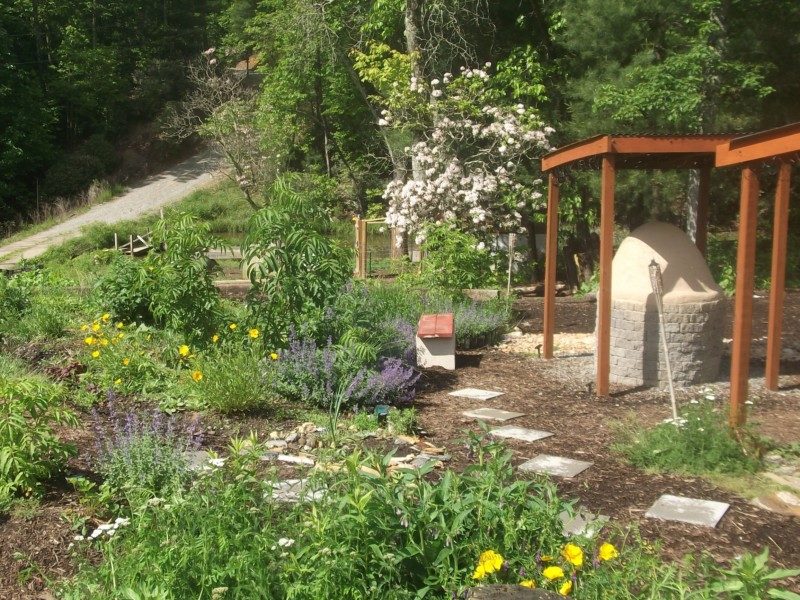
Don’t have the budget to take a Permaculture Design Course for certification? No problem! There are free recorded courses online to help you understand Permaculture basics.
Given the weather events we’ve been facing, understanding landscape water management and perennial planting are becoming critically important homesteading skills.
Here are some free resources to consider:
- Oregon State University, Intro to Permaculture
- North Carolina State University, Permaculture
- Bill Mollison Permaculture Lecture Series
6. Become an Expert on Growing Your Favorite Vegetables

Rather than use generic guides are written for a broad audience, take the time to dig into the planting details for your area. Each winter I choose ten of the plants I grow and study them in great detail.
Your local agricultural or extension office likely has detailed guides on growing specific vegetables in your area. They will include information on your soil, amendments you’ll need to make when to plant, pests, etc. These guides are often 10+ pages long. They should give you exceptionally high-quality, detailed information on growing for your area.
I try to learn everything there is to know about each of those ten plants on my list – to the point where I feel like an expert. Then, come spring I put my new knowledge to the test. Each time I have done this, those specific plants have thanked me by making my yields go through the roof!
7. Build a Better Back
Homesteading can be back-breaking work. Well, at least it can be if you don’t have a strong back for all that heavy lifting.
Luckily, some wonderful, free online resources show you simple exercises to make your back injury-resistant. Here are a few of my favorite resources:
- The Mayo Clinic, Back Exercises
- Live Science, Best Back Exercises for Beginners
- Spine Health, Tips to Protect Your Lower Back
8. Learn About Pollinators
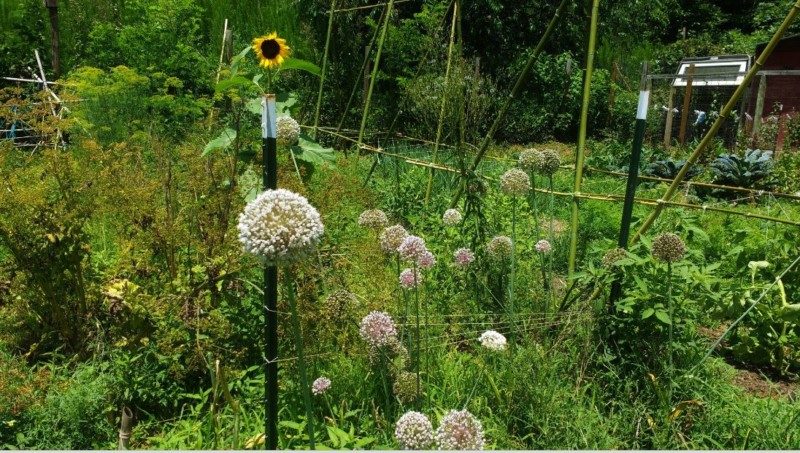
Without pollinators, you won’t be able to grow or collect seeds from many of your favorite vegetables. Honey bees get a lot of attention because they make honey and are suffering substantial annual losses. However, honey bees are not native to many areas (e.g., the US). Also, they are often not the primary pollinators of your garden.
Native bees, wasps, flies, butterflies, moths, and birds are usually the real pollinator workhorses of a garden. Learning about the specific pollinators in your area, what plants they visit, and how to provide them high-quality food can increase your yields tremendously.
Your agricultural extension office is also a good source for this information. Additionally, these other pollinator resources can get you started learning:
- USDA Forest Service, Pollinators
- US Fish and Wildlife Service, Pollinators
- Pollinator Planting Guides (by location)
9. Innovate Your Homestead
It’s easy to get stuck in a rut on the homesteading front. You start doing things one way, and even if that’s not the best way, you keep doing it just because you already are. Well, winter is a great time to challenge the systems you have in place and try to find a better way.
Think of the things you regularly do that irritate you the most. Then, research ways to make them easier or automate them.
Do you have areas that get muddy every time it rains? Is turning your compost pile making you crazy? Is watering your garden taking up too much of your week?
Whatever it is that’s making your homesteading experience less than stellar; there is a better answer out there. Don’t rush into new solutions out of frustration, though. Do your research, find out what other homesteaders are saying about each method, and let the ideas marinate for a while before you commit.
10. Learn to Plan

Many people are not planners by nature. Planning is a learned skill for most of us. Often when we make plans, they are vague. They don’t have concrete action steps. Plus, they aren’t comprehensive enough to help us achieve our dreams.
Winter is a wonderful time to learn to plan, by making solid plans for the whole year. For example, design your garden layout. Make a planting key, so you know what will go where and how much space to allocate it. Create monthly calendars that include planting dates, chores, care, harvesting, etc. for the whole year.
Do the same for your livestock care routines, for your pantry management, and menu planning. You may not stick to these plans 100%. But even going through the process will help you become a better planner and get you better results in the coming year.
Conclusion
Learning all about homestead skill building doesn’t have to be expensive. It also doesn’t have to add more work to your already busy routine. Sometimes the best skills to learn are those that make you better equipped to do the things you are already doing.
I don’t know about you. But for me, becoming more expert at the skills I need to have my best homesteading year ever certainly helps me beat the winter blues!


