
Fall is one of the most exciting times of the year on the homestead for me. As the garden winds down and some of the animal routines — like goat milking – slow down, new projects heat up.
All the homesteading projects I put on the back burner in the warmer months, because I was too busy with the garden or helping with goat births, comes to the forefront. The cooler weather, the beauty of the changing season, and the thought of the coming cold all spur me into a kind of fevered action.
If you are an experienced homesteader, I bet you know what I mean. If you are new to homesteading, then let me tell you, fall is when you get things done!
Come January and February; you’ll want to be indoors scouring the seed catalog for next year’s heirlooms and otherwise hiding indoors. Now, though is the perfect time to make progress on all those things on your long homesteading projects to-do list.
Fall Projects For Your Homestead
Just in case you need a little inspiration to get started, here are ten homesteading projects that are perfect to start in the fall.

1. Start Your Spring Garden
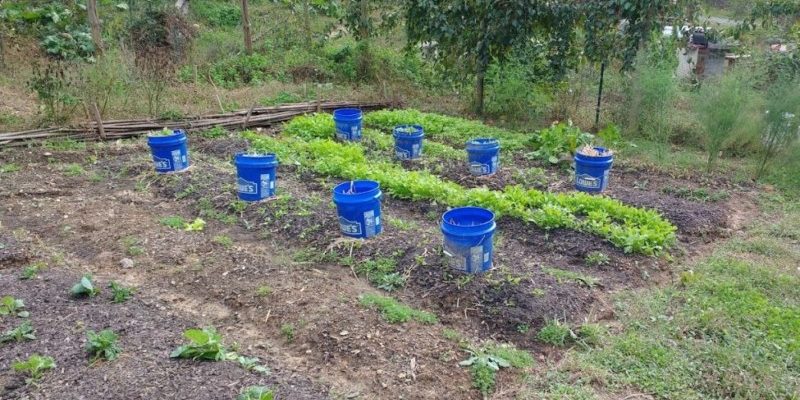
Fall is the absolute best time of the year to start a new garden. Soil amendments take time to do their thing.
By testing your soil in the fall and applying amendments at this time of year, you give them time to transform your soil chemistry. Also, by adding a layer of cardboard over your soil, then covering it with compost and mulch, you can suppress weeds and kick-start your soil fertility, so you are ready to plant come early spring.
If you plan to build raised beds or dig mounded beds, the cooler weather also makes those activities more enjoyable and less exhausting. So, get to work on your spring garden now and reap the rewards of your early efforts next year!
2. Build Your Chicken Coop

If you want to have eggs in summer, you need to order chicks for as early as possible in spring. Unless you want to be building your chicken coop and run in the middle of winter, fall is the perfect time to start coop construction.
If you start in fall, you can take your time, chipping away at construction a little bit each week. Also, as much of the foliage begins to die back, it makes things like fencing runs or digging in underground fencing for predator protection much easier.
You also get the benefit of seeing how your coop weathers your winter so you can make adjustments, if necessary, before you move chicks arrive.
If chickens aren’t your thing, this is also the perfect time to get ready for pigs, build your rabbit hutch, start your duck shelter, get prepared for goats, or prepare for any livestock you dream of keeping.
3. Prepare for Bees

If you want to start raising honey bees or add another hive, fall is the perfect time to order your packages. Bee packages (new hive starts), particularly those raised naturally or organically, sell out quickly. Get your order in now for a next spring shipment.
While you are at it, start preparing your bee spaces. Get your hives ready. Apply paint or wood protectant now before it gets too cold, so fumes have plenty of time to dissipate. Bees are sensitive to paint-related Volatile Organic Compounds (VOC).
Also, if you have bee predators like bears, you need to put up your fencing and electric fencing to make your space safe for your new hives. Fall is an excellent time to do that.
4. Inoculate Mushroom Logs
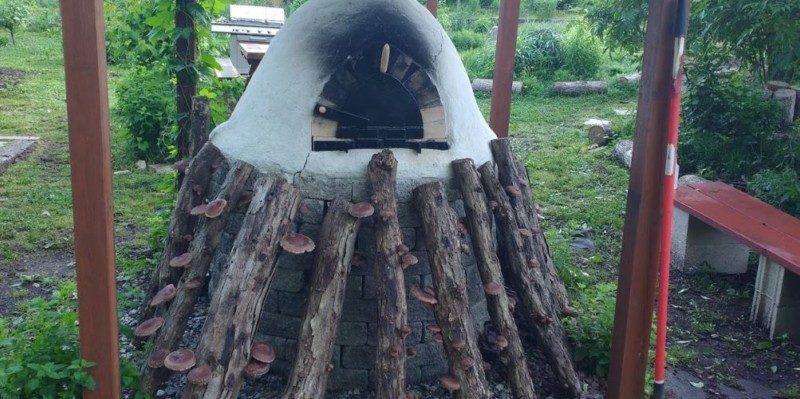
As fall inches into winter, the sap flow in trees slows down. This is a perfect time to cut your logs to use for mushroom inoculation.
Also, competitive fungi tend to be less active. So, you’re less likely to get unwanted colonizers moving into your logs.
Once your logs have had a couple of weeks for the terpenes to leach out, then start drilling your holes and inoculate with your preferred mushroom spawn.
Wide-ranging strains of shiitake mushrooms on hardwoods like red oak are one of the easiest ways to get started with mushrooms. If you inoculate in fall, you could even have your first harvest as early as late spring or early summer as long as logs are kept consistently moist.
5. Prepare Perennial Planting Areas
Although fall is one of the best times of the year to plant new trees and perennial plants, if your soil is in poor condition, then you may need to prepare the soil in fall and wait to plant until only in spring or the following fall.
One of the easiest and most beneficial ways to prepare areas for perennial plants like fruit trees, shrubs, herbs, and flowers is to sheet mulch. Sheet mulching is much more effective when done in fall because it works with natural cycles to radically improve your soil’s structure.
Particularly if you live in an area with lots of snow, sheet mulching in fall can produce tremendous results with minimal effort. The hard part about sheet mulching is moving all that manure, straw, and wood chips to your new planting location.
In fall, though you can take off your coat, roll up your sleeves and enjoy the pleasure of being outdoors using your muscles. All that manual labor also gets you in great shape going into your winter holidays, so you can enjoy a few more treats than you otherwise would!
6. Start Using a Composting Toilet
I am just going to say it – flushing your toilet is a total waste! It’s a waste of precious water, resources in processing it, and potential fertility for your perennial planting zones.
By building and using a simple composting toilet which involves a bucket for poo and another full of sawdust and herbs to cover your poo, you can make safe, and easy to use, humanure.
The trick is to age your filled buckets for one year. Then only apply them to the base of plants that will not come in direct contact with food sources. Then you get to turn all that human waste into useful compost.
The potential stink factor and risk of pests are the two things that prevent most people from adding this simple tool to their homestead. Starting to use this in fall, when aromas aren’t as intense and pests are less problematic, is a good way to ease into the idea of using all the natural resources on your homestead!
7. Build a Greenhouse or Cold Frame

If you want to get an early start on your spring growing season, start building your new greenhouse or putting together your cold frames now. A lot of cold hardy plants such as arugula, spinach, and mustard can germinate at temperatures as low as 40ºF. With just a little protection you can even get good germination in late winter.
Depending on your USDA planting zone, you may be able to start your spring garden as early as February, once you have sufficient day light. Putting your infrastructure in place now, before it gets too cold to work outside can help you get a jump on your food production for next year.
8. Create New Paths

One of the most common mistakes new gardeners or homesteaders make is not leaving themselves proper pathways to get to all their various planting areas. When you don’t have established paths, you tend to step on your soil more often than you should which leads to soil compaction and stunted plant production.
In fall, as plants begin to go dormant for the winter, you can see the bones of your homestead better and plan your footpaths to protect the soil. You may need to move a few plants to make room for reasonable walkways.
As long as you dig out the entire root ball, and stake plants on the other side, they should come through fall re-planting not much worse for the wear. And in the long run, without you walking across their roots, they’ll thank you for it!
9. Dig a Pond

It is easier to dig in the soil heading into fall and winter. As insects make their way further under ground, they soften it up by adding moisture and making space. Also, as annual plants die and their roots shrivel, this also loosens the soil. Now, I am not saying that suddenly deadpan dirt will suddenly cut like butter, but it does make a noticeable difference.
This benefit starts when weedy areas die down and continue through to your first ground freeze. So, if you plan to dig a pond, or even something like an underground greenhouse (called a walipini), this is a great time to dig. Cooler temperatures make the labor easier too if you happen to do it by hand as I do!
10. Install Trellises, Arbors, and Pergolas

If you are planning to start a vineyard in spring, you need to get your trellises in place before you begin planting. Your grape vines will be picky about soil disturbance after planting. Plus vine training starts in year 1. So, installing your posts, anchors, and lines in fall before the ground freezes gives you a great head start on your spring vineyard.
Also, if want to create arbors around your homestead to support your hops, kiwi, and other vining edibles, fall is perfect for that.
If you dream of a vine covered pergola over your outdoor dining area, then get to work now and enjoy your beautiful space come spring!
Fall Homestead Projects are Fun!
These ideas are just a sampling of what you can do in fall. Digging your root cellar, starting your plant nursery, building your outdoor kitchen, making all those inspired pallet projects you’ve dreamed of, and more are all also tons of fun for fall!
Don’t let the lack of daylight keep you from getting your homesteading projects done. Work hard now so you can have more to enjoy on the homestead come spring and summer!


