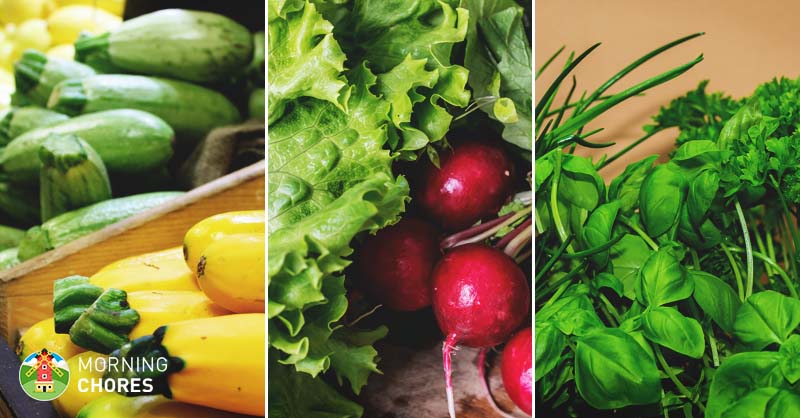
Would you like to be able to utilize every part of your yard?
Do you live on a piece of property that has a lot of shade?
Well, either way, know that there are some vegetables that grow in shade spots. Keep in mind, most of the vegetables still require some sunlight.
But if you have a spot in your yard that is mostly shaded, you should try to grow some of the vegetables that I’m listing here. That way you can still yield more food on your property and not have any wasted space.
So if you would like to put those shaded spots to use, then consider growing some of these vegetables that grow in shade. These are the vegetables that will grow in a partially shaded area:
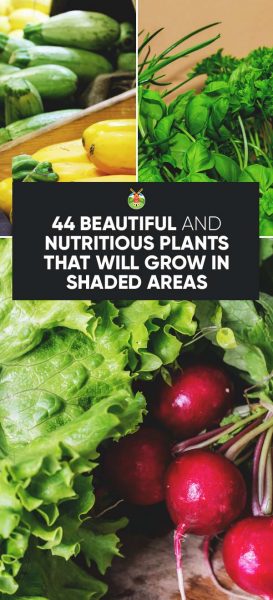
1. Arugula
Arugula is a nice peppery green that goes great in different salads. We grow it each year and I love adding it to a nice crisp salad that we can eat quickly on a hot night.
2. Beets
We grow beets every year. My husband loves having them pickled. They are very easy to grow in my experience and can be used to make many delicious dishes.
3. Broccoli
I absolutely love broccoli. So the fact that it actually prefers cooler temperatures and some shade makes it that much more amazing. Now you have no reason not to give it a try.
4. Cabbage
Cabbage is another crop that prefers cooler temperatures. The cooler the temperature the fewer bugs you must battle. So if you want to grow cabbage during the summer instead of the fall, then you may have better luck in the shade.
5. Brussel Sprouts
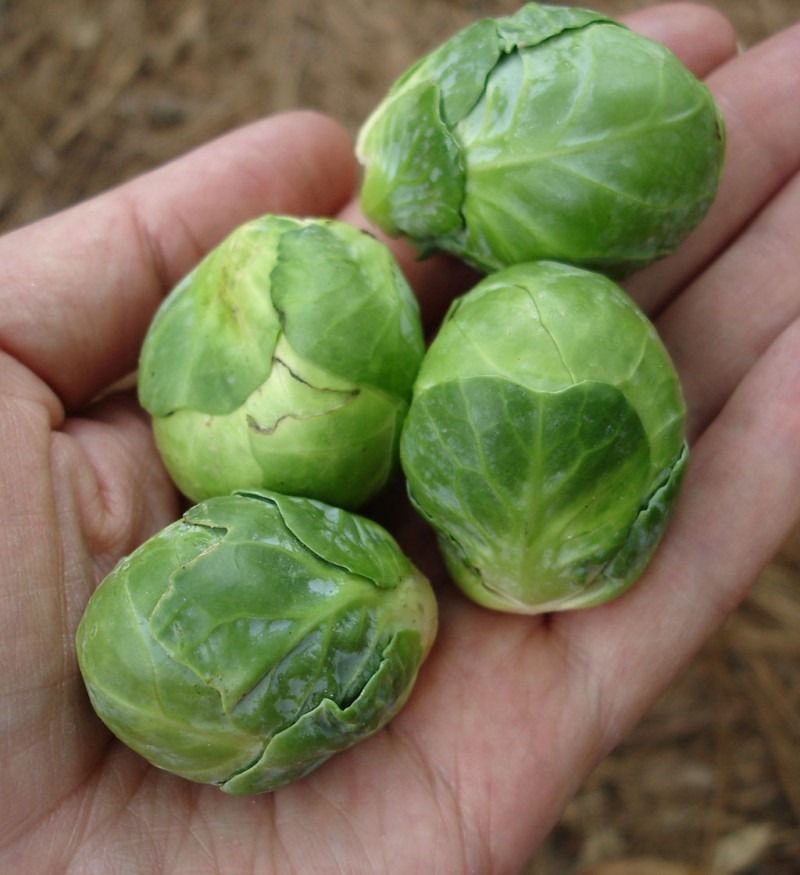
Brussel sprouts are kind of like tiny cabbages. I personally think they are amazing little vegetables that grow in shade. They too make many great dishes, and since you can grow them in partial shade, why not grow them?
6. Carrots
Since carrots are a root vegetable they don’t require full sun, like other vegetables that are not root veggies. Plants that prefer cooler temperatures actually prefer partial shade as it helps meet that need.
7. Cauliflower
Cauliflower is another plant that prefers cooler temperatures. I planted it in full sun one year and it practically cooked in the middle of my garden bed. So partial shade could help with the temperature needs.
8. Swiss Chard
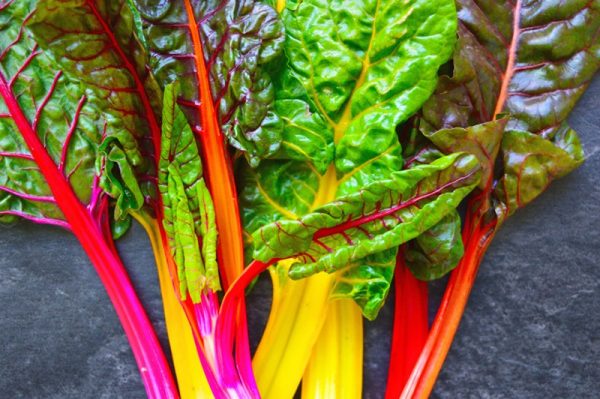
I grow Swiss chard in the garden bed at the front of my house every year. The front of my home only gets morning sun, and I get beautiful rainbow Swiss chard every time. Hopefully you’ll have the same results.
9. Celery
Celery is a difficult crop to grow in my experience. But it is a plant that loves cool weather. So it should be no surprise that it prefers partial shade as this may help keep it cooler.
10. Chinese Cabbage
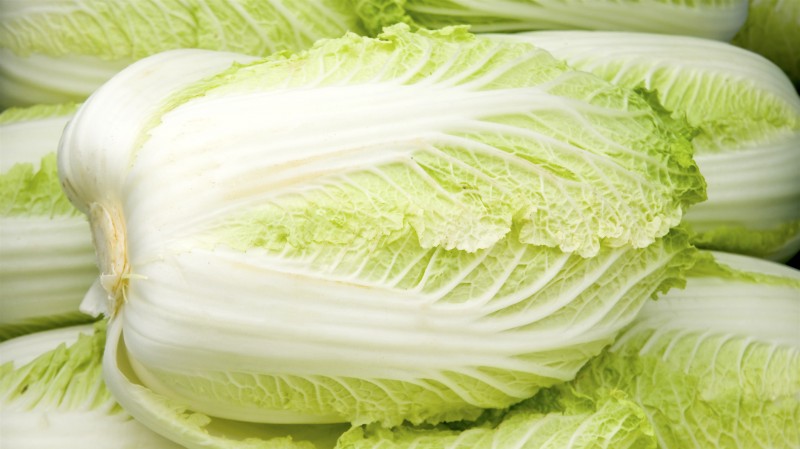
Chinese cabbage is a fun looking cabbage that can be used to make many different recipes. You might want to give it a try if you decide to create a garden bed in partial shade this year.
11. Endive
You may not be super familiar with endive. I’ve never had great success growing it, but after much research, I’ve learned it can be difficult to grow. However, if you get it figured out, then it can potentially grow in partial shade.
12. Garlic
Garlic is great to grow yourself. It takes a while to grow, but once it is complete you can have enough to use for recipes and make your own minced garlic.
13. Kale – Vegetables that grow in shade
Kale is a superfood and contains many of the vitamins and minerals that our bodies need. Being able to grow this yourself is a great benefit for your health. It can be cooked, eaten raw, or even juiced.
14. Horseradish
Not everyone will be a fan of growing horseradish. It has a spicier flavor so if you aren’t into spicy food, then you might not be interested. But if you do like spicy, then growing your own could be a great way to make homemade horseradish sauce.
15. Kohlrabi
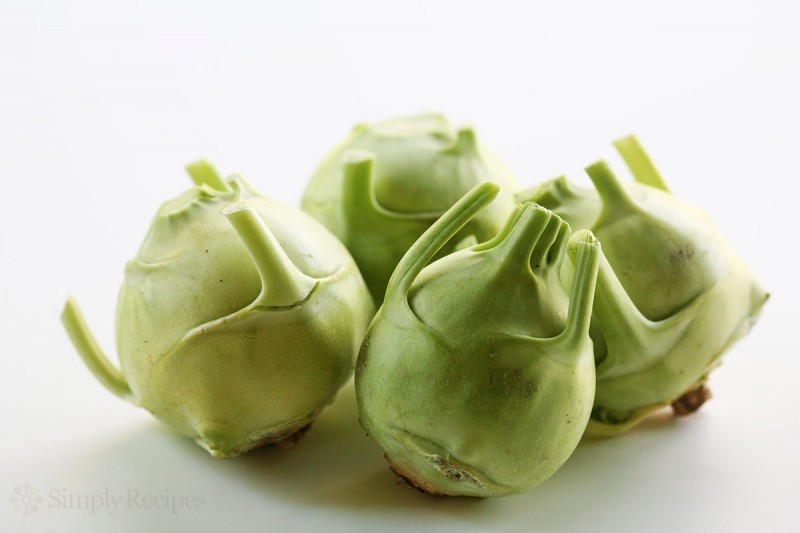
Kohlrabi is another interesting vegetable that isn’t common to a lot of people. It has a taste that is similar to broccoli and cabbage. Here are five different recipes so you can figure out how to use it.
16. Leaf Lettuce
I love growing leaf lettuce. I grow it in my cold frame greenhouse, in a wire pin inside my chicken coop so my chickens have their own salad bar, and it can even be grown in partial shade. Lettuce loves cooler weather so it makes sense that shade would be its friend.
17. Leeks
Leeks are related to the garlic and onion family. They actually look a lot like a larger scallion. So if you are a fan of scallions, then you might want to consider growing leeks and seeing what you think of them.
18. Mustards
I love mustard greens. Every year we pick a ton of them, then prep them, and preserve them. They taste delicious when cooked down with some bacon grease. It is a favorite dish to go along with cornbread and pinto beans around my house.
19. Parsnips
Parsnips are related to the carrot. They kind of look like a white carrot and are often cooked with them. So if you’d like to try growing something a little different, then you might want to consider this for a partial shade crop.
20. Peas – Vegetables that grow in shade
Green peas are absolutely delicious. I don’t actually grow them myself because you have to plant so many to get a good sized harvest. But if you have the room, keep in mind that they can be grown in partial shade.
21. Potatoes
Potatoes grow under the ground and are vegetables that grow in shade. Everything needs a little sunlight to survive, but they don’t need full sun all of the time. So consider raising them in a shady spot.
22. Radishes
If you are looking for a fast growing and no-fuss crop, then you’ll want to give radishes a chance. They are great for adding a little peppery flavor to your salad in a natural way.
23. Rutabagas
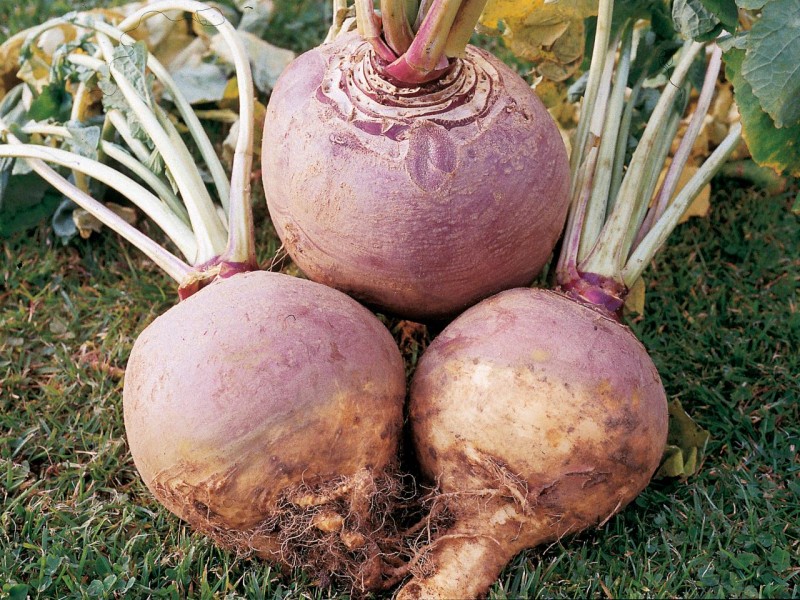
I’m sure you’ve seen this vegetable in your grocery store’s produce department. It kind of looks like a giant turnip and it was bred to be a cross between the turnip and the cabbage. So if you are looking for something different to grow in a shaded spot, then consider the rutabaga.
24. Scallions
I’m a huge fan of scallions. They are great to go on top of potato soup and as a garnish on many other dishes. Not only do they add a good amount of flavor, but they add beautiful color to your dish as well.
25. Sorrel
We grow sorrel in the garden bed in front of our home as well. It is a partially shaded area and our sorrel does beautifully each year. I love the bitter flavor this vegetable adds to our salads when added raw. Our rabbits love it too.
26. Spinach
Spinach is another superfood and vegetables that grow in shade. It has a ton of vitamins and minerals that our bodies need. So why not grow it in your yard so you are sure to get at least one superfood on a daily basis?
27. Turnips
Turnips are an acquired taste, but I actually like them because they offer up two dishes. If you don’t like the turnips themselves, then you will probably like the greens. I always ate the greens and fixed the turnips for my mother-in-law.
28. Watercress
Watercress is a leafy green. It is great to be added to salads, sandwiches or used as a garnish for your savory meals.
29. Bush Beans
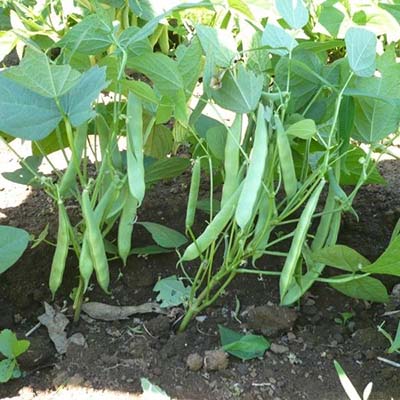
A lot of people assume that green beans need full sun. Actually, bush beans grow well in partial shade because this protects the tender beans from being cooked on the vine.
30. Summer Squash
Squash is a very easy plant to grow. They are vegetables that grow in shade and would work well in a partially shaded spot. The reason is that the big leaves actually help protect the vegetable from being cooked in the sun. Extra shade will help that as well.
31. Basil
Growing your own herbs is a great thing in my opinion. Fresh herbs taste wonderful when added to any dish. Basil is also a great food for your chickens as it helps to support their immune systems.
32. Catnip
Catnip is another great herb to add to your shaded herb garden. It can be used to make catnip tea or just as a special treat for the cats in your life.
33. Chives
We have multiple chive plants planted in our front garden bed in partial shade. They do beautiful each year and have provided us with many tasty chives.
34. Germander
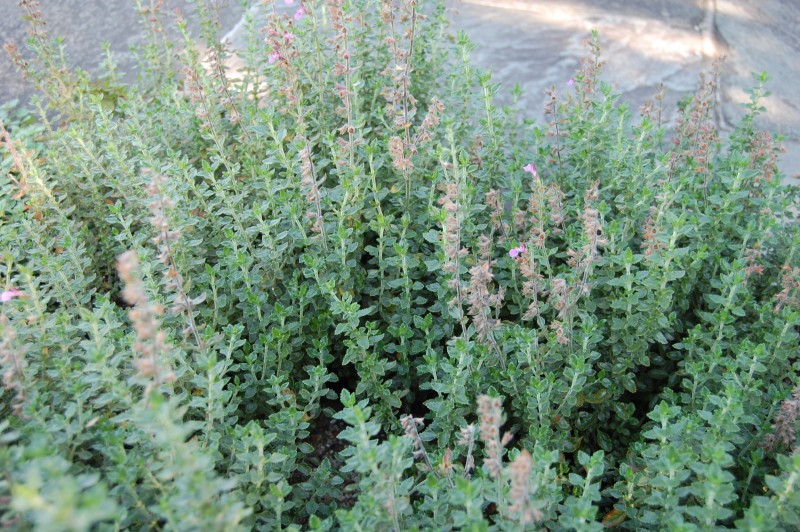
Germander is usually considered an ornamental plant. Though it can be used to add fragrance to a dry wreath or infused for medicinal purposes.
35. Garden Cress
This is a fast growing herb that is related to mustard and watercress. It has a great smell and a nice peppery flavor. It can be added to different foods to give off that flavor in the dish.
36. Lemon Balm
Lemon balm has many uses. I usually plant a lot of it for bees. They are attracted to the scent and in turn, pollinate my garden. So if you would like a bee attractant to be added to your partially shaded spaces, then this might be a good one.
37. Mint
Mint is great for making teas and extracts. It is also great at driving away pests such as mosquitos. If you plant it and care for it, it does spread and can create a nice barrier of pest protection. We did this around our playground area so the bugs would leave the kids alone as they played.
38. Parsley
Parsley is one of those herbs that can be added to virtually any dish. We grow a lot of this every year because our family loves it so much. The fact that it can be grown in partial shade is just that much better.
39. Rosemary
Rosemary is a stronger herb. It packs quite the flavor punch when placed in dishes. So if you love this aromatic herb, then consider adding it to your shaded herb garden this year.
40. Sweet Woodruff
This plant is considered a ground cover. It would be great to plant anywhere that you would like to beautify though there is little sunlight. It is also a perennial as well.
41. Sweet Flag
This is another perennial plant. It is an evergreen so it is great for adding color to a shady spot that needs a little life added to it.
42. Asparagus
We grow asparagus in our garden as well. It takes a little time for asparagus to take off so you can begin to harvest it. But once you get it going, it will come back year after year.
43. Valerian
This is a gorgeous flowering plant that will come back year after year. So if you need to add some color to a shaded area, then consider adding this beauty.
44. Rhubarb – Vegetables that grow in shade
Rhubarb is another plant that takes some time for it to fully develop. It is a perennial and will come back larger and larger each year. We grow ours in a partially shaded garden and it has done very well in our experience.
Well, you now have over 40 options for vegetables that grow in shade that you can plant. Hopefully, it will help add food to your cabinets or beauty to a shaded area.


