
I started gardening as a way to add beauty to my landscape. Then, several years ago I got worried about the quality of food I got from the grocery store. So, I quickly transitioned from growing herbs and flowers to growing food on a feed-a-family scale.
At first, it was so time-consuming and complicated to grow all the staple crops we needed, that I didn’t even try to make my garden beautiful. Now, though, I’ve finally got all my plant varieties, crop rotations, and labeling and record-keeping down to an art form.
That means, this year, I’ll have time to transform my functional kitchen garden into a stunning potager. An array of useful and beautiful garden cloches are one of the tools I plan to use for this purpose.
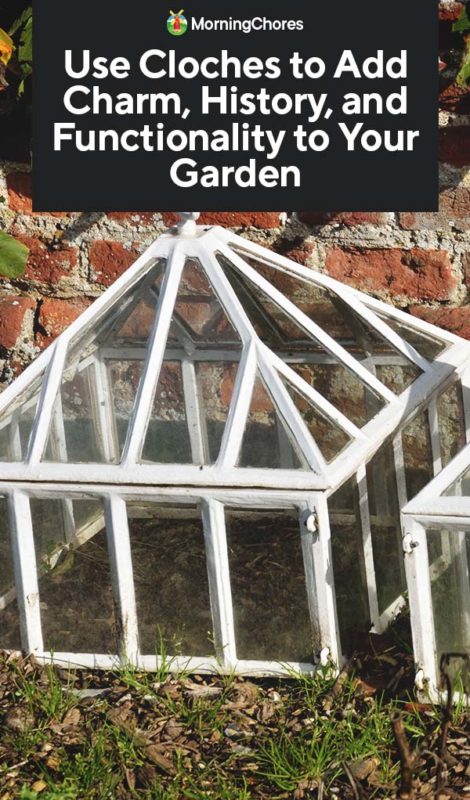
The History of Cloches
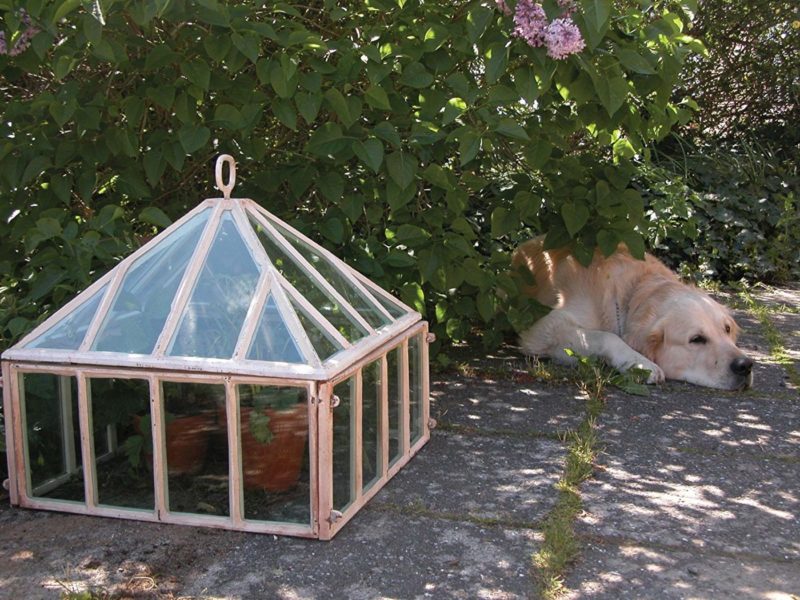
In the age of electric seed mats, overhead lights, and heated greenhouses, garden cloches have become a thing of the past. Once upon a time though, beautiful bell-shaped glass jars were in use in gardens around the world.
It’s believed that the general shape and function were invented in 1623 by an Italian glassmaker. Later, glass knobs were added to make lifting the cloches off delicate plants easier.
In the ornamental kitchen gardens of colonial and Victorian times, glass cloches (and glass in general) were a precious, luxury item reserved for the rich. In 19th-century Parisian market gardens, they were considered a necessity for ensuring production.
Modern Cloches
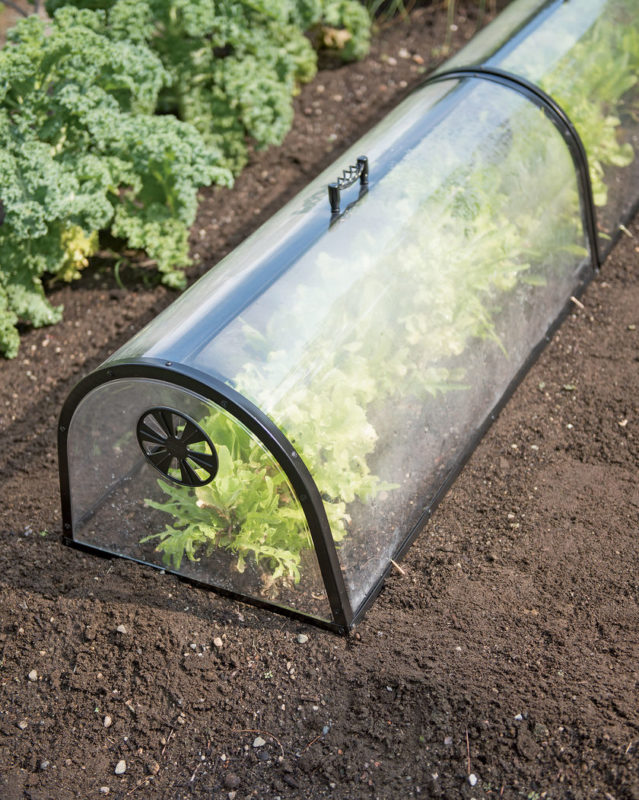
Although the bell-shaped glass cloche is where it all began, the concept has now been expanded. Mini-paneled greenhouses with handles, woven baskets, and handled tunnels all fall into the category of garden cloches.
Glass or plastic cloches are used to warm the soil, protect young plants from frost and wind, and expedite root establishment. Woven basket or wire cloches are used to protect plants from birds. Fabric cloches prevent insect damage. Shade cloth cloches protect fast-bolting plants from the unexpected summer heat.
The Downside of Cloches
There’s a reason why cloches are not as popular today as they were in the past. Frankly, we now have better solutions. Our modern-day row covers, such as clear plastic for warming or pest preventing fabric, are mainly an adaptation of the cloches. These are easier to use and less costly on a large scale.
Cloches, particularly the glass style with knobs, can actually damage plants. The knob acts as a magnifying glass in sunlight and can burn plants. Glass cloches also trap in humidity and moisture, creating droplets of water that serve as mini-magnifying glasses.
Additionally, good air circulation is critical for healthy plant growth. Many styles of glass and plastic cloches trap air close to the soil. To avoid damaging the plant, cloches must be removed for part of each day to allow the plants to breathe. Watering plants can also be more difficult with cloches.
Larger cloches such as the barn or house style, popular in Victorian times, allow for better airflow. Their height and shape also make for less humidity. Therefore they don’t tend to burn plants in the way that thick glass bell cloches do. However, they are expensive and are not as effective at warming plants as heavier glass.
How to Use Cloches

All of that said, cloches can still have their place in the garden. As I hinted at earlier, cloches have a beautiful, nostalgic charm that makes it perfect for the potager garden. Also, for specific applications, a cloche covering may be the ideal answer to your garden challenges.
Here are some tips and tricks to put the different kinds of cloches to use at home.
1. Insulating Cloches
Glass, plastic, and clay cloches are all used for the purposes of warming the air around the soil to improve germination, protect young plants from frosts, and season extension. These cloches come in many forms. In general, the heavier the material and the closer the contact with the ground, the warmer the cloche will keep the soil.
– Heavy Cloches
Clay and heavy glass cloches are tried and true classics. Just put them over your newly planted seeds to give them a jump start.
Setting glass or clay cloches on cut wood or cardboard platforms, rather than allowing them to sink into the ground, will improve air circulation and minimize excess condensation. On sunny days, heavier cloches need to be removed in the morning and replaced in the afternoon to prevent overheating young plants or the soil.
Clay cloches work great for warming the soil to start seeds. Keep in mind though that some plants require light to germinate. Make sure your seed varieties do not require light when using clay cloches. Also, remove clay cloches once your seeds sprout.
– Plastic Cloches
Modern plastic cloches come with air vents at the top to allow moisture to evaporate. Empty plastic beverage bottles also make for easy to use, inexpensive cloches. By removing the bottom of the container and leaving the lid off, you improve ventilation.
Plastic cloches only provide a few degrees of warmth after the sun goes down. So, they only buy you a bit of season extension. However, they are wonderful for wind protection which can severely stunt small seedlings. They also prevent frost from settling on seedlings and damaging them.
– Other Ways to Use Insulating Cloches
Covering the soil with glass or plastic cloches warms the soil and triggers earlier germination of weed seeds. By pre-sprouting weeds using cloches and removing them before you plant seeds or seedlings, you limit the need for weeding around delicate seedling roots. You also cut competition for nutrients so your intended seedlings can get establish faster.
Some plants love heat. So even if the soil is technically warm enough to plant tomatoes and peppers, making those plants think its summer in late spring can speed growth. Also, covering 5 tomato plants with cloches isn’t as much work as using them on, say, a hundred heads of cabbage. So, it’s easy to make use of your lovely cloches even in good weather!
2. Pest Protection Cloches
Cloches are often made of basket materials, chicken wire, screens, and fabric to protect young plants from potential pests. The smaller the weave of the material, the greater the pest protection.
Woven basket or wire type cloches will keep out birds like crows, nibblers like rabbits, and thieves like squirrels. If they are heavy-duty or fixed in place using stakes, they can even be used to fend off free-range chickens or ducks.
Tighter weaves such as cloches that look like pie screens can keep out insects. With a small enough weave, you can even prevent flea beetles and aphids.
If you have frequent human visitors to your garden, cloches can protect more than just the plant they cover. Placed strategically at the ends of rows, cloches make pretty visual indicators of where not to walk for those guests who may not know how detrimental it is to compact garden soil by stepping on it.
3. Shade Protection Cloches
Woven cloches and shade cloth cloches can also protect cool weather plants from intermittent heat swings. Not all plants can tolerate shade. However, plants like lettuce, cabbage, and many leafy greens will fare better with a bit of mid-day shade than with sun scorch.
Beware of wind. Unless your cloches have heavy bases or stakes to hold them in place, many styles of shade cloches can blow over and damage nearby plants. Wire rims that can be pressed into the soil or brimmed cloches that can be weighted with rocks are better options for windy areas.
4. Decorative and Functional Cloches
Now for my favorite category of cloches – the decorative class! These cloches may serve one or more of the functions above. However, the truth is, we want them in our garden because they add beauty and interest in ways that floating row covers simply can’t. Here are a few examples.
1. The Bird Cage
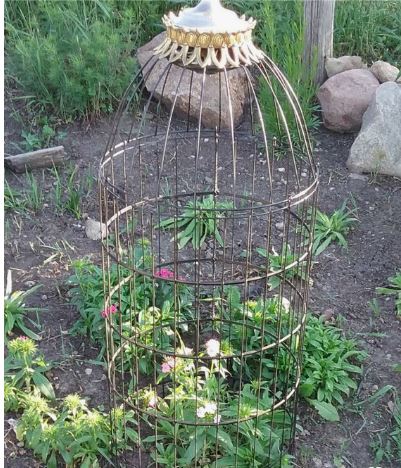
You could use an actual re-purposed birdcage for this. Or, if you have some leftover welded wire from one of your livestock fencing projects, you can make a bunch of your own.
2. Trash to Treasure

Flip a trash basket upside down, add a little glitz and glamour, and pretty up your garden with this easy DIY cloche.
3. Chicken Chic
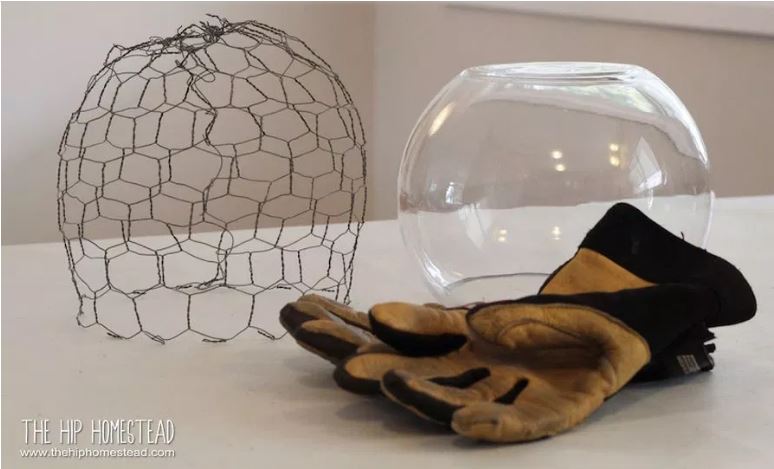
Chicken wire may not be perfect for keeping predators out of your chicken coop. However, it can be the perfect material to keep your chickens from being predators to your plants.
4. Classy Cut Glass
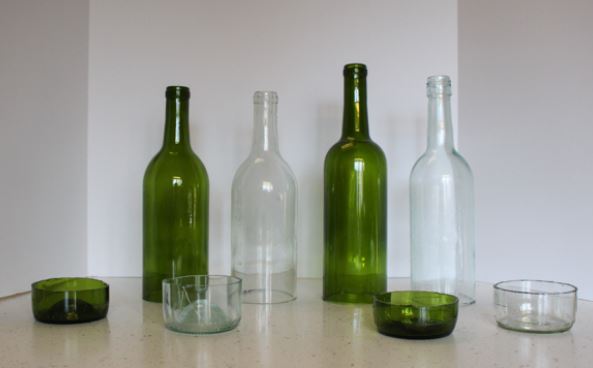
Similar to using plastic bottles with the bottoms cut off as cloches, you can do the same with wine bottles. It’s more work, but for a fancy potager, they look a lot more upscale than plastic.
You will need to cut glass. To do this means you need goggles and gloves for safety. However, if you are willing to gear up and get it done, the cool thing about wine bottle cloches is you can write the name of your seedling variety on the bottle marker to help you keep things straight.
5. From Gutter to Glamour
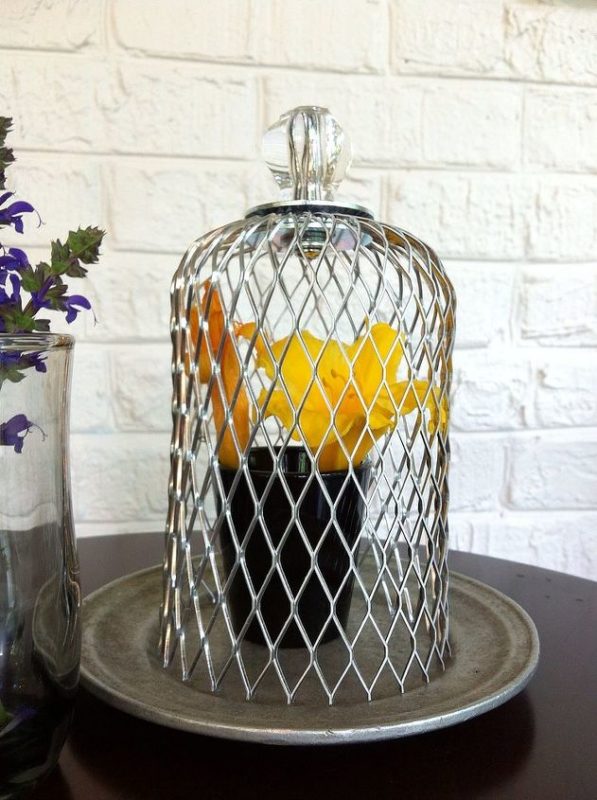
Got extra gutter strainer laying around? You can make this elegant cloche at home in about 30 minutes. Adding a bit of bling on top helps too. I could see doing this with different colored antique knobs to up the shabby chic quotient.
Garden Cloche Conclusions
Cloches are not the easiest or most efficient way to protect plants and extend your season. However, let’s face it, sometimes we do things just because we want to.
Personally, I love the idea of using an Italian invention from 400 years ago in my modern garden. It makes me feel connected to the past. Plus, it adds decorative interest to help make my ordinary kitchen garden more potager-style. I hope you do too!


