
Consider this next time you snap into that juicy carrot: originally, people weren’t growing carrots to eat – they grew them as medicine.
Yes, carrots are that healthy for you.
Of course, that’s not the only reason to grow carrots. They’re incredibly versatile in the kitchen and they can store for a good long while. This article will give you everything you need to know for a bountiful harvest.
So let’s get growing.

Carrot Varieties (And Which One Might Be Best For You)
1. Baby Carrots

Baby carrots are simply a small variety of carrot. They aren’t immature carrots. Regular-sized immature carrots have no flavor.
Baby carrots grow to a mature size with a full flavor, only they come in a smaller package than most breeds of carrots. This is a great size for children or if you’re growing in a shallow area.
2. Chantenay

Chantenay is a short and fat carrot that’s a little broader at the top than baby carrots.
And this breed is a smart choice if you’re looking to store carrots over the winter.
3. Danvers

This carrot sits in the middle of the length scale. They’re longer than the Chantenay but not as long as the Imperator.
4. Imperator

This is the familiar carrot that you see Bugs Bunny munching on. It’s long and slender and has a pointed tip. These are a sweeter variety of carrot with a higher sugar content than many.
5. Purple Carrots

These carrots look like you’d expect: they have a dark red or violet tint to their flesh with an orange or sometimes yellow core.
They’re known for their sweet flavor, but they can be a bit peppery too.
6. Red Carrots

Red carrots are, as you’d expect, red or sometimes pinkish. If you’re looking to add more color to your diet, this is certainly one way to do that.
This variety is sweeter than most other carrots.
7. Round Carrots

If you’re planning on growing in shallow planters or in a small space, then this breed of carrot might be right for you. They grow to be the same size and shape as a radish.
They’re also a good option if you have less-than-ideal soil because they aren’t particular about soil types.
8. White Carrots

This type of carrot has pale, white flesh. It has a sweet yet mild flavor.
9. Yellow Carrots

These carrots are light yellow all the way through from flesh to core, and they’re sweeter than most other varieties.
How to Plant Carrots
Carrots are an easy vegetable to grow if you do a few things. If you don’t, you could end up with stunted carrots.
Growing Zones
Carrots grow well in zones 4-10.
Sun Requirements
If you want big carrots, you need to give them full sun.
Soil Requirements
Make sure that you have loose and rock-free soil. You can accomplish this by double digging their space or growing them in a raised bed (carrots are great for container gardening). If your soil feels heavy and as though it would be hard for the carrots to develop in it then be sure to add a good amount of compost.
Carrots need sandy, loose soil, with a pH between 6.0 to 6.8. It should also be well-draining.
Go over the soil with a rake and make sure there are no lumps or rocks in it.
When to Plant
Plant your seeds three weeks before the last frost date. Then plant again every 2-3 weeks after that until about 2-3 months before the first expected fall frost. You’ll stop then because it takes carrots about 70-80 days to reach maturity.
However, if you live in Zone 8 it’s better to grow carrots in the fall or winter.
Spacing
Sow about six seeds at a time 1/4-1/2 inch deep and at about an inch apart in rows to begin with.
When the tops of the carrots have reached about 2 inches tall, thin them to about 2 inches apart.
Two weeks later, you will need to thin them again to make them around 3-4 inches apart. To help with this process, when seedlings develop place some mulch around them. It will help maintain moisture and give you an easier visual of how far apart your plants really are.
Germinating Seeds
The soil must be moist in order for germination to take place. But be sure to water gently so you don’t wash your seeds away.
While you are waiting on germination to happen, you could plant a few quick-growing radishes at the end of each row to mark them.
Caring for Carrots
Watering
Give carrots at least 1 inch per week during dry weather.
Fertilizing
Fertilize 5 to 6 weeks after planting if the soil isn’t already rich in organic matter. Avoid compost manure.
Mulching
Mulch around plants to retain moisture and suppress weeds.
If you see any crowns begin to pop up through the soil as the plants are growing, cover them with a little mulch to keep them from turning green and bitter.
Common Problems And Solutions to Growing Carrots
Four-Legged Critters
Carrots are a tasty snack to many four-legged animals like deer, gophers, and rabbits.
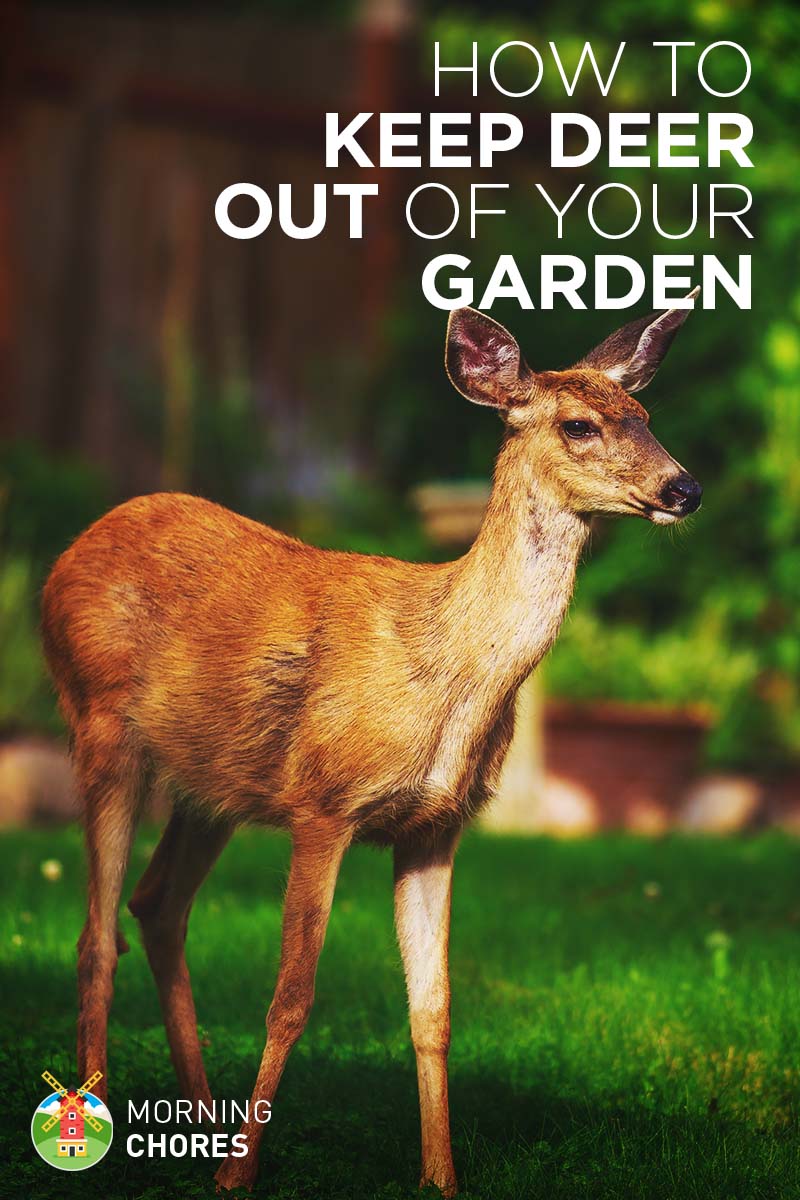
Be diligent in watching over your carrots and check out our resource for how to deter deer from your garden.
Carrot Rust Flies

These flies are mainly prominent in the northwestern United States, and they usually infest your carrots in the early spring. They can be so damaging to a carrot crop that we have an entire guide dedicated to dealing with them.
Look out for little green housefly creatures because their eggs hatch into larvae that dig into the roots of the carrots. In order to deter this problem, consider delaying planting by a few weeks until these pests pass your crops by.
Nematodes
These are little wormlike creatures that are hard to see with the bare eye. They cause knots along the roots of the carrots which in turn, gives you stunted carrots and a reduced harvest.
Beat these little boogers by rotating your crops and adding lots of compost as it has predatory microorganisms that help defend your plants.
Leaf Blight
Leaf blight causes yellow or white spots on the leaves of your carrots, which then turn brown and watery.
This disease can be addressed by choosing a variety of carrot that has been designed to stand up to blight.
Vegetable Soft Rot
This disease is what it sounds like. Basically, because of the humidity and hot weather, your plants begin to rot.
This can be solved by rotating your crops and keeping the soil loose and free-draining.
Carrots Yellow Disease
You’ll know your carrots have developed this disease if the leaves turn pale and tufts of hairy roots begin to develop. The good news is this disease is caused by leafhoppers, so you can solve this by simply covering your seedlings with row covers to deter leafhoppers from getting on your newly developing plants.
Best Companion Plants for Carrots
Tomatoes are the perfect companion plant for carrots. They provide shade to these little veggies, which are sensitive to heat. They also offer a natural repellent to insects called solanine, which kills insects that could potentially harm the carrots.
Carrots also give back to the tomatoes. They aerate the soil so that plenty of air and water can make it to the tomato’s roots.
However, tomatoes can stunt carrots growth if they’re planted too close together. Be sure to plant them at least 15 inches apart.
Leeks have a natural scent that repels pests.
Herbs like rosemary, sage, and chives repel flies and improve the flavor of the carrots.
Radishes and lettuce help to loosen the soil for carrots to be able to easily grow and reach full maturity.
Worst Companion Plants for Carrots
Coriander and Dill both excrete things from their roots that can actually bring harm to the carrots.
Parsnips are similar to a carrot and they will attract the same pests and soil-borne diseases.
Harvesting And Storing Your Carrots
You have two options as to when to harvest your carrots.
You can harvest them individually once they reach maturity, which varies from 2 to 4 months depending on the variety.
Or, you can wait until all of your carrots have come in and matured. Then harvest them all at once at the end of the growing season.
If you choose the latter of the two options, then you’ll want to do it before the first frost of the fall. The day should have dry air but the ground should be moist.
Then, you’ll go along and hand pull each carrot. You can make this process easier by moistening the soil around the carrots. Water before you start harvesting and then use a trowel to loosen the dirt so you don’t damage the carrots while pulling.
After you have harvested your carrots you have multiple options as to how to store them.
1. Store In Boxes
To store in boxes, begin by twisting off the carrot tops, and remove the excess soil – but don’t wash them.
Then layer them side-by-side on a bed of straw inside the box and dump damp sand or peat on top.
2. Leave Them Be
You could always leave carrots in the garden. Mulch the bed where they’re planted with several inches of dry leaves or straw. Then, go out and pull them as needed.
3. Preserve Them
You can also preserve them by canning. Once you harvest your carrots, you’ll wash them and get them ready for cooking.
Instead of cooking them, you’ll follow this canning process so you can enjoy canned carrots all winter long.
Recipes For Your Fresh Carrot Harvest
Here are a few recipes to help you utilize your carrot harvest. After tasting these delicious recipes you might decide to grow quite the crop of carrots yourself.
These parmesan roasted carrots make a flavorful side dish that’s sure to impress.
Just typing the word maple glazed bacon carrots is making my mouth water. I’m seriously considering making these with dinner tonight. If you love bacon, why not wrap it around a vegetable and call it healthy, right? Anything with bacon is bound to be delicious.
If you are sick of plain old fries and trying to take a healthier path then why not try carrot fries?

I love carrot cake. It is tasty and sweet. And this cake is from scratch and looks so good. If you want something sweet, then put your carrots to use and make this wonderful treat.
Carrot salad may sound strange at first but once you taste it, you just might decide you like different. If you love the sweetness of carrots and raisins then you will probably drool over this side dish.
Tell Us How Your Carrot Garden Grows
Well, there you have it. I hope after reading this piece you will feel equipped and ready to try your hand at raising carrots. Let us know how it goes!


